
Personal Reflections and Observations
Experiencing Climate Change Through My Eyes. I first learned about climate change at 10, when my teachers spoke about melting ice, rising sea levels, and the increasing frequency of floods and cyclones. They highlighted deforestation and reforestation as key contributors. Later, as a field officer for a ‘Disaster Risk Reduction’ organization, I attended various training sessions that deepened my understanding of climate change.
Beyond Deforestation and Reforestation
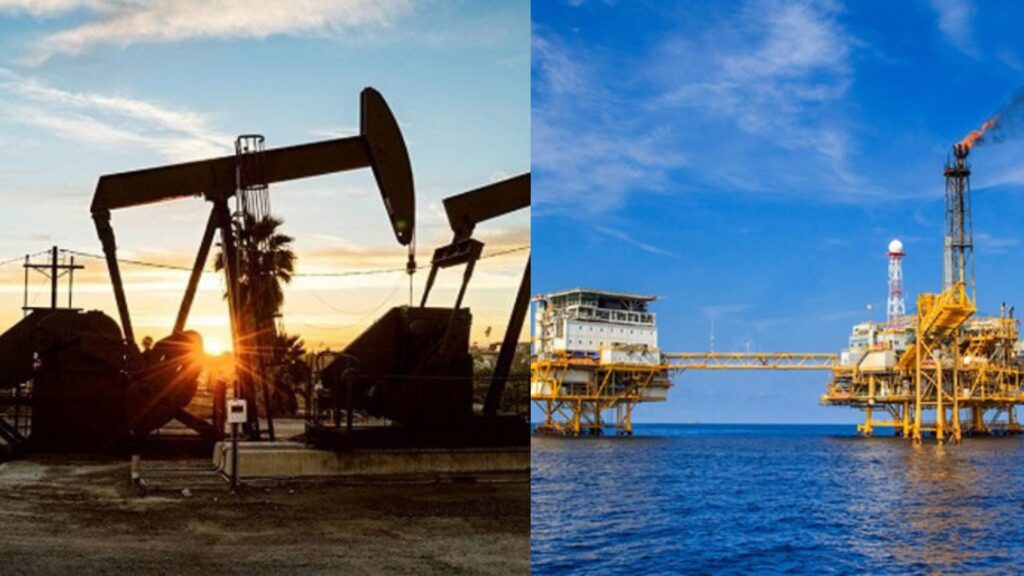
While deforestation and reforestation are important, many other factors contribute to climate change and global warming. Various industries release carbon emissions, but only trees can capture carbon, much like earning while others spend.
From Waterways to Pesticide-Driven Fish Farming
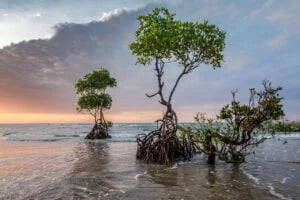
I remember visiting my grandma’s house with my aunt and cousin, just 500 meters from my elder aunt’s home. We used to walk through water or take a boat. My uncle once caught fish from those waters, but now they’re gone, replaced by a road. Pesticide-driven fish farming is now common. The trees at my uncle’s house were cut down by my cousin for firewood. This is how climate change reveals itself to me.
A Firsthand Account of Climate Change’s Impact
Over the years, I’ve witnessed the devastation of numerous major cyclones, including SIDR, Aila, Nargis, Bulbul, Mahasen, Roanu, Fani, Amphan, and the ongoing Cyclone Remel. As a DRR officer, I worked closely with affected communities. These cyclones have claimed around 1.54 million lives in Bangladesh. Despite the threat, some people still avoid cyclone shelters. While awareness has improved, many have adapted to the frequent cyclone threats.
Adapting to Extreme Weather
We used to experience relatively mild temperatures, with summer highs and lows being moderate. In 2019, temperatures ranged from 15°C to 34°C. However, by 2024, temperatures have reached extremes, with lows of 5°C and highs of 43°C. In response, people have created humorous videos, like frying eggs and fish or making tea in the sunlight. These extreme changes highlight the significant shifts over the past 10-15 years.
Impact of Decreasing Groundwater and Rising Temperatures
Groundwater levels are dropping, making it hard for people to get enough water from tube wells. Farmers now harvest rice at night to cope with the heat. The government has even declared a two-week heatwave holiday. Heat strokes, dehydration, and skin diseases are on the rise. I’ve seen voluntary organizations distributing juice to rickshaw pullers, farmers, and laborers to help them cope with the extreme conditions.
The Growing Impact of Severe Weather on Bangladeshi Communities
I’ve noticed a significant rise in deaths caused by thunderstorms and lightning each year. In the past five years, hail has severely damaged crops, homes, and essential materials. Mangoes, rice, and watermelons in harvest season were affected, leading to higher market prices. With 77% of Bangladeshis living below the poverty line and 87% in rural areas, financial instability forces many to use tin shelters, which hail also damages. Unfortunately, there are few notable programs addressing these issues directly.
Changes in Farmer Behavior Due to Climate Variability
Farmers are experiencing substantial changes in their practices. The peak sowing period now lacks sufficient rainfall, leading farmers to rely heavily on irrigation, which depletes groundwater levels. Traditionally, winter began in November, but now it starts in late December, causing delays in sowing and disrupting the flowering stage due to lower temperatures, resulting in reduced production.
The Growing Water Crisis and Its Impact on Agriculture and Health
The shortage of potable, irrigation, and industrial water is increasingly severe. We are witnessing the consequences my teacher warned about: the loss of native fish and chicken, rising sea levels, frequent floods, and more severe thunderstorms and hail. Agriculture is heavily dependent on fertilizers and pesticides, while health hazards are rising, and plantations are declining. Warming impacts multiple sectors.
Conclusion
Imagine the number of trees that could grow in a stadium. We lose the equivalent of two stadiums worth of plantations every minute in the Amazon. Nobel laureate Dr. Mohammad Yunus has stated that the world is already in a state of destruction. Our efforts to heal the Earth are ongoing, but achieving net zero is only a temporary fix.
Short-Term and Long-Term Solutions
Both tree planting and environmental work are crucial, offering both short-term and long-term solutions. Raising awareness, individual responsibility, and enforcing government laws and regulations are essential. Passion for environmental preservation must be shared by everyone, as no single person can tackle this challenge alone.
Pingback: What Is Climate Change-Simple Definition - Carbon Revolve