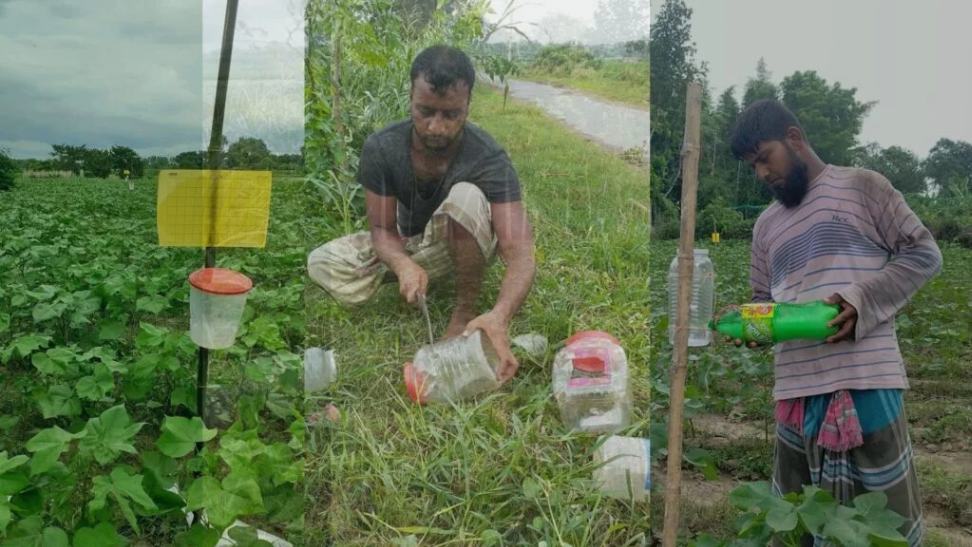
 Home Made yellow sticky trap
By diverting waste from landfills and repurposing it into energy or new products, we can reduce methane production, a potent greenhouse gas. Proper waste management also helps prevent pollution, disease spread, and conserves natural resources. Farm waste recovery is particularly important now, creating job opportunities and boosting the local economy.
Green Farming
On farms, plastics like fertilizer bags, mulching sheets, and pesticide posts are common. For 40 years, a harmful myth has encouraged burying plastic waste with minimal soil coverage, damaging soil health and producing microfibers. This practice causes plastics to resurface during plowing, highlighting the need for sustainable plastic waste management. Today, I will discuss how to manage farm plastics sustainably.
Waste Recovery
Non-biodegradable plastic bags persist in soil, blocking water infiltration and hindering plant growth. These plastics contaminate the soil, lowering its quality and fertility. High microplastic levels change soil structure and reduce its water-holding capacity, impacting plant health.
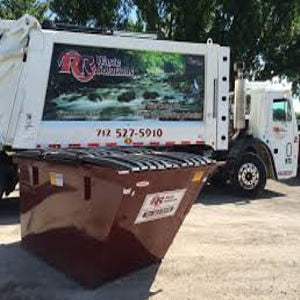
Red River Waste
As plastics degrade, they form microplastics tiny particles less than 5mm that infiltrate soil. These microplastics alter soil structure, reducing its water retention and hindering root growth and nutrient absorption, negatively affecting farm sustainability.
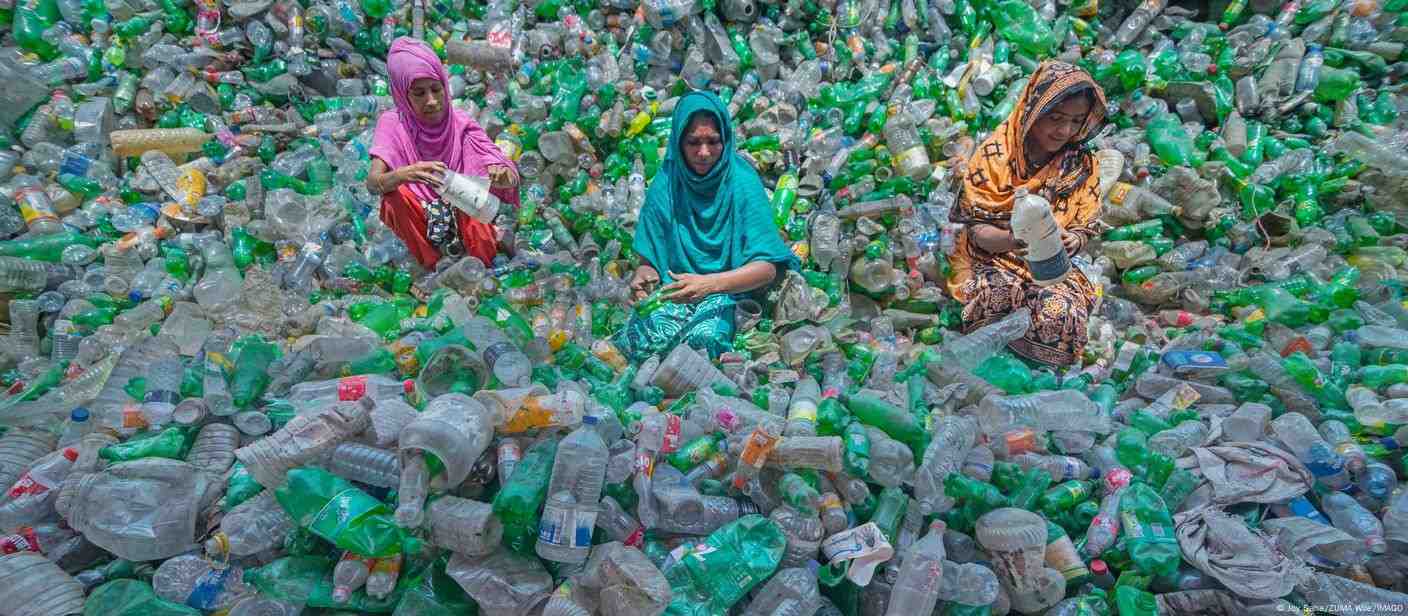
Environmental Impacts of Plastic Use
Animal Deaths: Plastic waste harms wildlife.
Non-biodegradable: Plastic bags don’t break down naturally.
Petroleum-based: Made from petroleum products, plastic contributes to pollution.
Toxic Chemicals: Plastic food storage containers release harmful chemicals.
Manufacturing Pollution: Toxic chemicals are released during plastic production.
Drainage Blockages: Massive accumulations of plastic bags clog drainage systems.
Preventing Plastic Waste on Farms
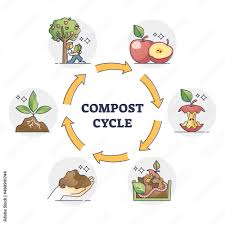
Food Waste Recycling:
Farmers can switch to sustainable practices like reusing plastic pots with sex pheromone traps or repurposing PET bottles instead of introducing new plastic. Straw mulching can replace plastic mulching, and using bio-pesticides reduces the need for plastic pesticide containers. Jute or cotton bags are better for fertilizers and can also be used for harvesting.
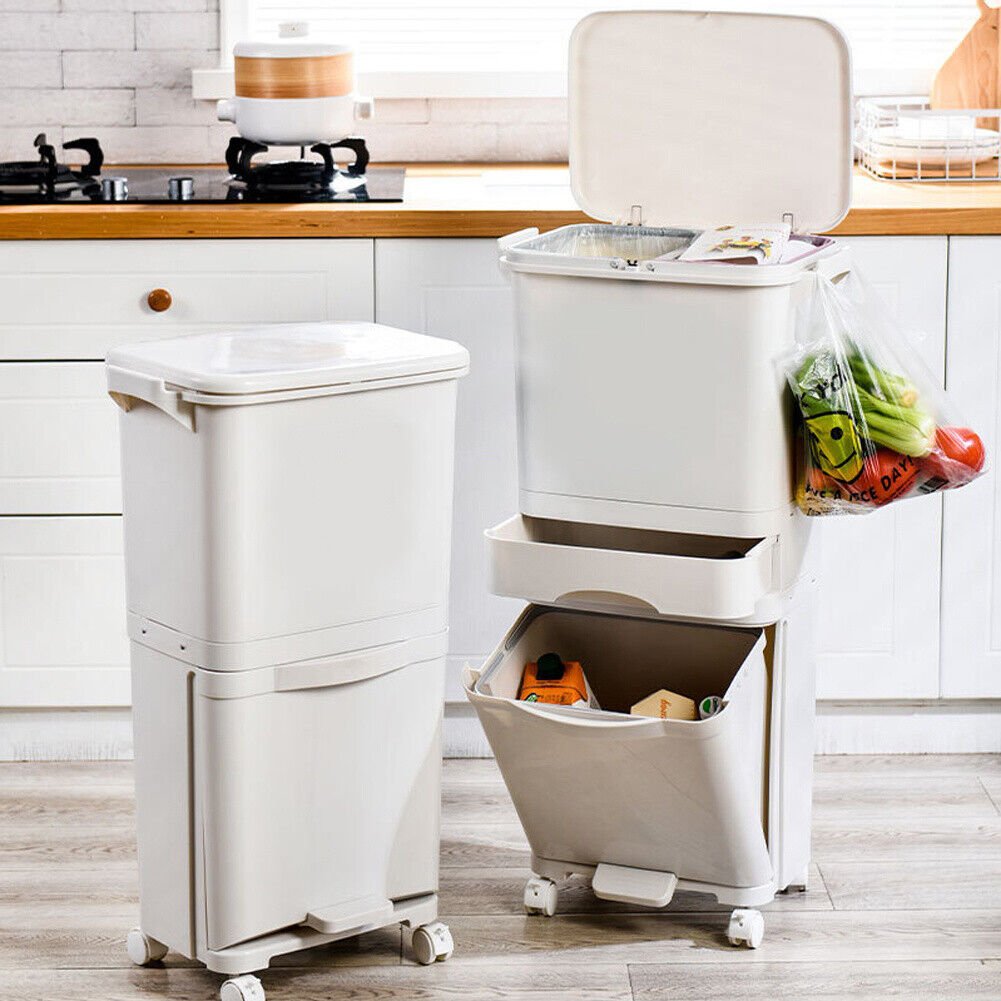
Kitchen Waste Container:
For 40 years, farmers have been advised to bury plastic waste, a practice that only delays the problem. Only 9% of plastics are recycled, while 12% are incinerated. The rest, 79%, remains in landfills or the environment indefinitely, as plastic takes 20 to 500 years to decompose. Farmers should stop burying plastics and adopt better waste management practices.
Eco Farming:
I have seen farmers burn plastic with crop residues on the farm. They typically burn plastic bags and polythene. Some farmers sell these plastics to street hawkers, who also burn them in streets or fields. Burning plastic releases harmful chemicals into the air, water, and soil, raising health risks for workers and nearby communities. Farmers should adopt sustainable waste recovery practices on farms and in households.
Cancer, Respiratory Issues, and Hormonal Disruption
These risks include heart disease, various cancers, reduced fertility, and lung diseases. Burning plastic releases toxins that significantly increase the chances of cancer, respiratory illnesses, and birth defects. Additionally, it can severely damage internal organs and disrupt the hormonal system.
Innovate low-cost, environmentally friendly technology:
Research and innovation offer alternative solutions for waste management on farms. Developing and producing new technology effectively assists farmers. For instance, mango bags decompose easily, and photovoltaic solar panels reduce electricity usage.
Emerging Alternatives and Innovations in Agriculture
Jute and rice straw are emerging as promising alternatives. Sensor-based solutions, soil testing kits, yellow sticky traps, and advanced harvesting and plowing technologies perform impressively. We need further innovation to utilize plastic bottles and seed packets. However, these innovations must remain low-cost to encourage faster adoption.
Designated plastic dumping points on farms:
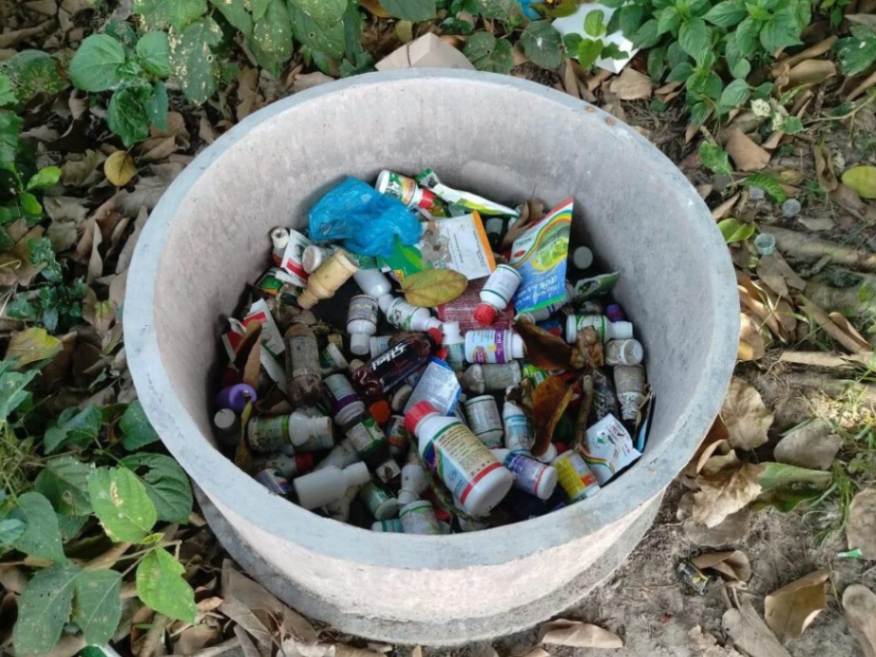
Keeping plastic waste at a single point on the farm helps aggregate it, making collection and recycling easier. Farmers can set up a designated area with a protective slab and a small hole for water flow. Place the ring and slab in the field at a specific distance, usually one per 10 acres. Position the slab beside the farm’s tube well, where farmers use water during spraying and dispose of plastic materials after use.
Linking with plastic waste collectors:
Every farmer community has a focal point who voluntarily helps farmers with various suggestions. This person can communicate with local hawkers who buy plastic waste. Hawkers will be happy to purchase or collect free plastic from the fields. They already have good relationships with wholesalers and plastic-crushing factories. For the sake of the net-zero initiative, farmers are now adopting sustainable waste recovery practices on farms.



Pingback: Waste Management Careers - Carbon Revolve
Pingback: Animal Waste Management During Eid - Carbon Revolve
Pingback: Waste Management Enhance Sustainable Future - Carbon Revolve