
A Comparative Analysis on Solar Energy vs Fossil Fuels
Evolution of Solar Energy Utilization
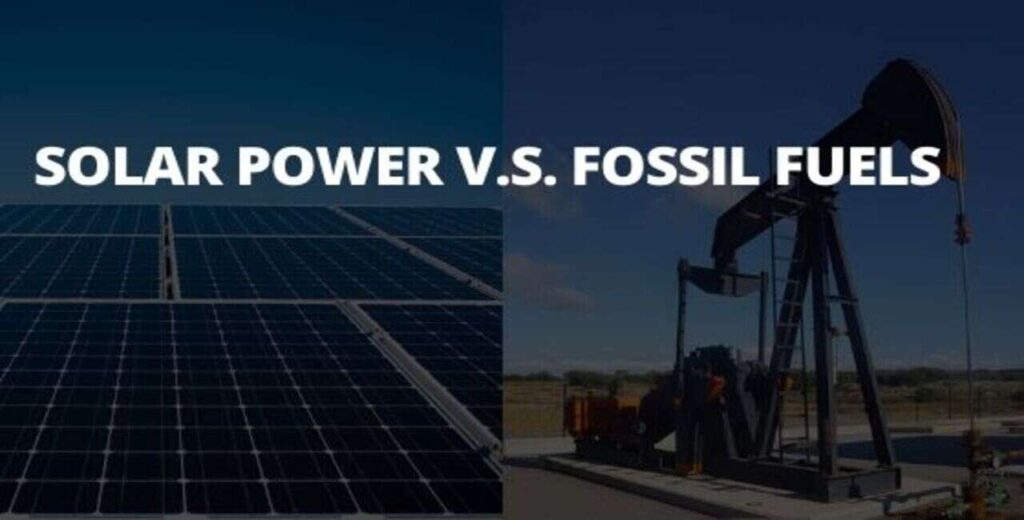
Initially, solar power was harnessed by humans in the 7th century B.C., marking its utilization. Over centuries, early humans used sunlight to ignite fires with magnifying glass materials. Subsequently, the Greeks and Romans advanced solar power in the 3rd century B.C. They used mirrors to illuminate torches during religious ceremonies. Notably, in 1883, American inventor Charles Fritts installed the first solar device on a New York rooftop. It generated electricity from sunlight, marking a significant milestone in solar energy development. Solar Energy vs Fossil Fuels: A Comparison will help you understand the importance, strategy, uses, and technology of these energy sources.
Development and Use of Fossil Fuels
This power warms homes and businesses, powers vehicles, and drives industrial operations. However, fossil fuels are non-renewable, taking millions of years to form new deposits of coal, oil, and natural gas. Since the Industrial Revolution, fossil fuels have been the main energy sources, facilitating transportation, industry, and electricity generation. Countries lacking fossil fuels have shown slower growth, not reaching wealthier nations’ economic status or benefits. They provide electricity, heat, and transportation, supporting goods production from steel to plastics.
Solar Energy
Essentially, solar power captures the Sun’s light and heat through methods like solar panels for electricity, solar thermal systems for heating water, and building designs maximizing solar gain. It is a renewable and abundant power source, offering a viable alternative to fossil fuels. Solar technologies transform the Sun’s light into electrical power through photovoltaic (PV) cells or by focusing sunlight with mirrors. This electricity can be used directly or stored for later use in batteries or thermal storage systems.
Fossil Fuels
Fossil fuels, derived from ancient plant and animal remains, are finite energy sources emitting carbon dioxide and other harmful greenhouse gases when burned, causing environmental issues like climate change and air pollution.

Comparative Evaluation in Environmental Aspects
Environmental Impact
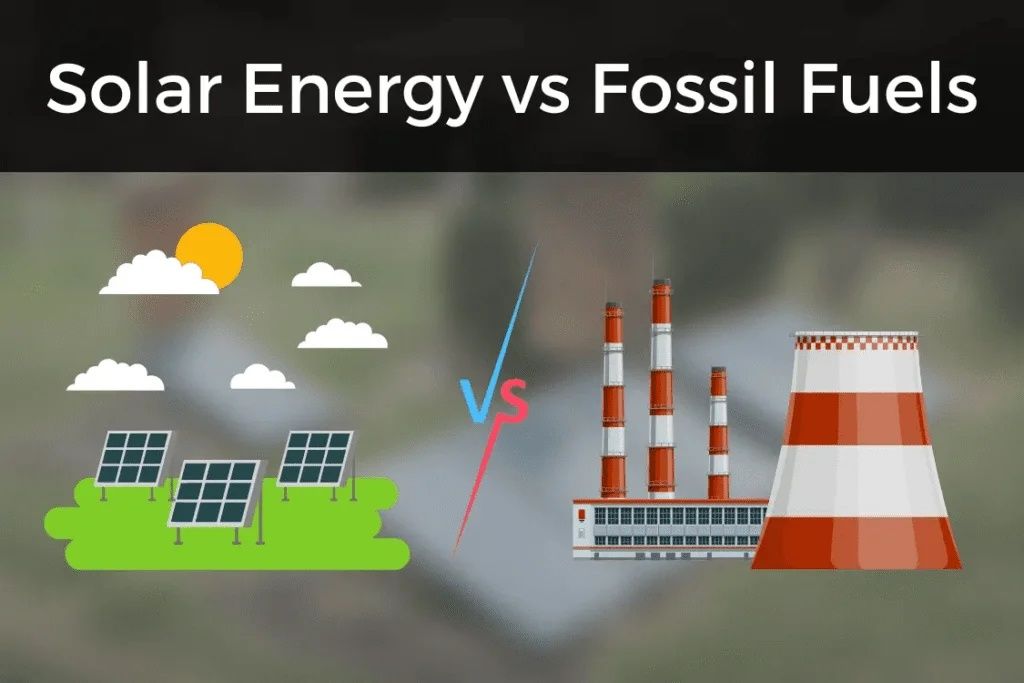
First, the low environmental footprint of solar energy, as it doesn’t generate greenhouse gases or air pollutants, classifies it as a sustainable and clean energy option. Consequently, this lowers carbon emissions and lessens the negative impacts of climate change. Conversely, fossil fuels cause considerable environmental harm by emitting carbon dioxide, a key factor in global warming. Furthermore, fossil fuels cause air pollution, respiratory illnesses, and harm ecosystems through oil spills and coal extraction. The impact relates to Solar Energy vs Fossil Fuels: A Comparison, which helps clarify environmental factors.
Energy Efficiency
Solar energy boasts remarkable conversion efficiency, as modern technologies enhance solar panels’ ability to convert sunlight into electricity. Consequently, this high efficiency allows for greater utilization of the captured energy. In contrast, fossil fuels exhibit a lower energy conversion efficiency compared to solar energy. Typically, the conversion efficiency of fossil fuel power plants is lower, leading to wasted energy. Furthermore, this inefficiency results in increased emissions per unit of energy produced. This makes fossil fuels less environmentally friendly.
Waste Collection and Disposal
Local administrations have the duty of managing and getting rid of waste in their respective areas. They establish waste collection systems that can involve curbside pick-up, drop-off centers, or recycling initiatives. Moreover, local governments supervise the safe disposal of waste by managing landfills, incineration facilities, or utilizing advanced waste treatment technologies. Through effective waste management, local governments play a crucial role in minimizing environmental pollution and safeguarding public health.
Recycling and Waste Reduction Initiatives
Local governments play a vital role in promoting recycling and waste reduction initiatives. They implement strategies to encourage residents and businesses to minimize waste by recycling materials. Additionally, these initiatives include providing recycling bins, educational campaigns, and incentives for sustainable practices. Consequently, their promotion of recycling helps conserve natural resources significantly. Furthermore, they reduce the amount of waste sent to landfills. Thus, recycling is a focus in Solar Energy vs Fossil Fuels: A Comparison.
Education and Public Awareness
Local authorities play a crucial role in educating and promoting waste management among the public. They run various initiatives and campaigns to spread information and involve the community. These efforts include educational programs in schools, community events, and distributing informative materials. Through active engagement, local governments foster accountability and encourage individuals to make informed waste management choices.
Pingback: Environmental Impacts of Waste-to-Energy - Carbon Revolve
I always was concerned in this topic and still am, appreciate it for posting.