
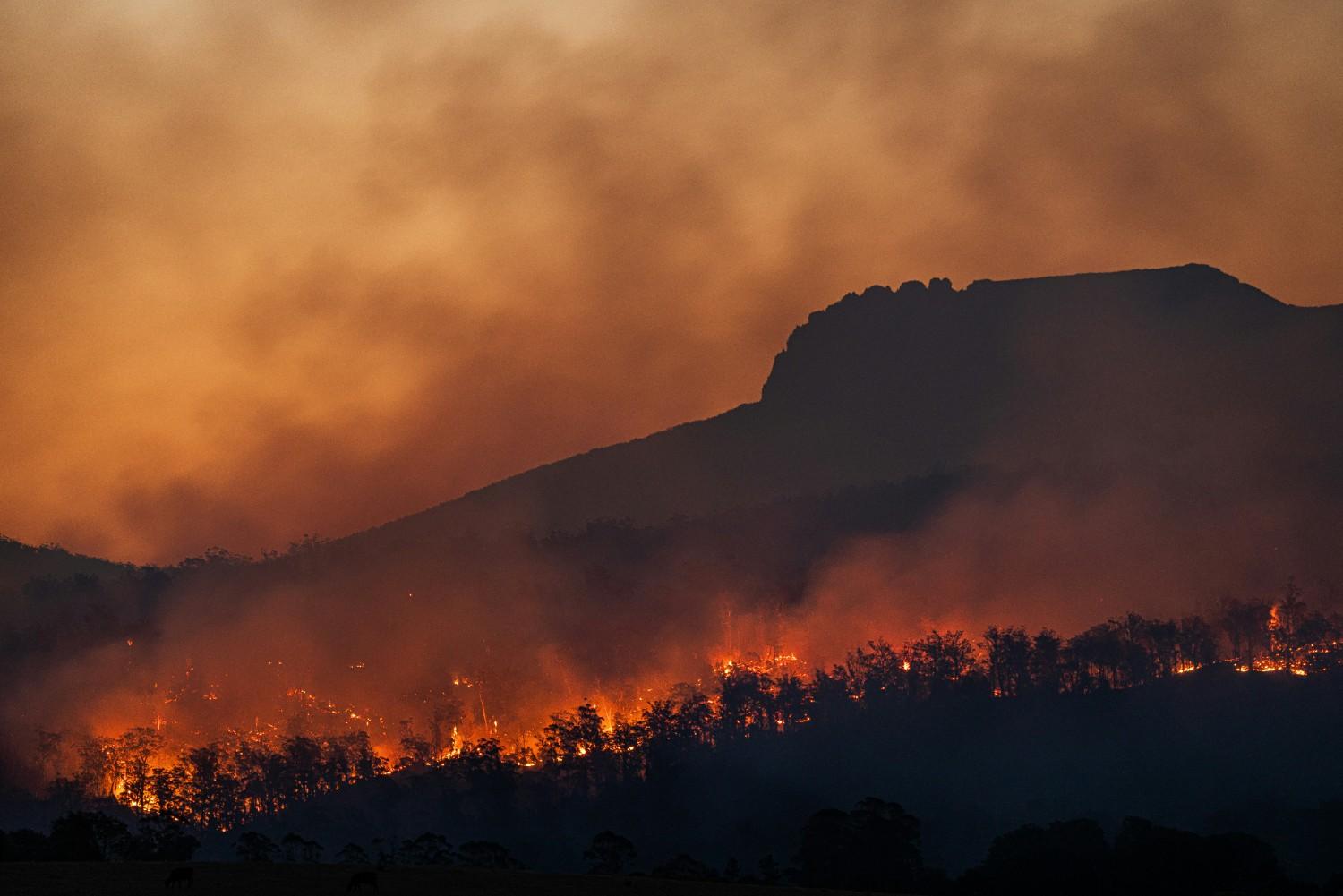
Climate change is one of the most pressing issues today. It involves long-term changes in average weather patterns over decades to millions of years. Scientists agree that human activities drive these changes. Burning fossil fuels and deforestation cause unprecedented shifts in Earth’s climate. Today, I will discuss the climate change causes impacts and solutions.
The Need for Urgent Action to Combat Climate Change
These actions increase greenhouse gas emissions, leading to global warming. As a result, we see rising temperatures, changing weather patterns, and more extreme weather events. Addressing climate change requires urgent action to reduce emissions and protect natural ecosystems on climate change causes impacts and solutions
Causes of Climate Change
Greenhouse Gas Emissions:
The primary cause of recent climate change is increased greenhouse gas concentrations. Carbon dioxide (CO2), methane (CH4), and nitrous oxide (N2O) trap heat, warming the planet. Burning fossil fuels for energy, industrial processes, and agricultural activities mainly release these gases.
Deforestation:
Trees absorb CO2, reducing its concentration in the atmosphere. Deforestation for agriculture, urban development, and logging decreases the number of trees available, worsening the greenhouse effect. A part of climate change causes impacts and solutions
Industrial Activities:
Industrial processes release pollutants, including CO2 and other greenhouse gases. Some industries emit substances that deplete the ozone layer, affecting Earth’s climate system.
Impacts of Climate Change
Greenhouse Gas Emissions:
Average global temperatures have risen significantly over the past century. This warming affects weather patterns, causing more extreme heat events and changing precipitation.
Melting Ice Caps and Glaciers:
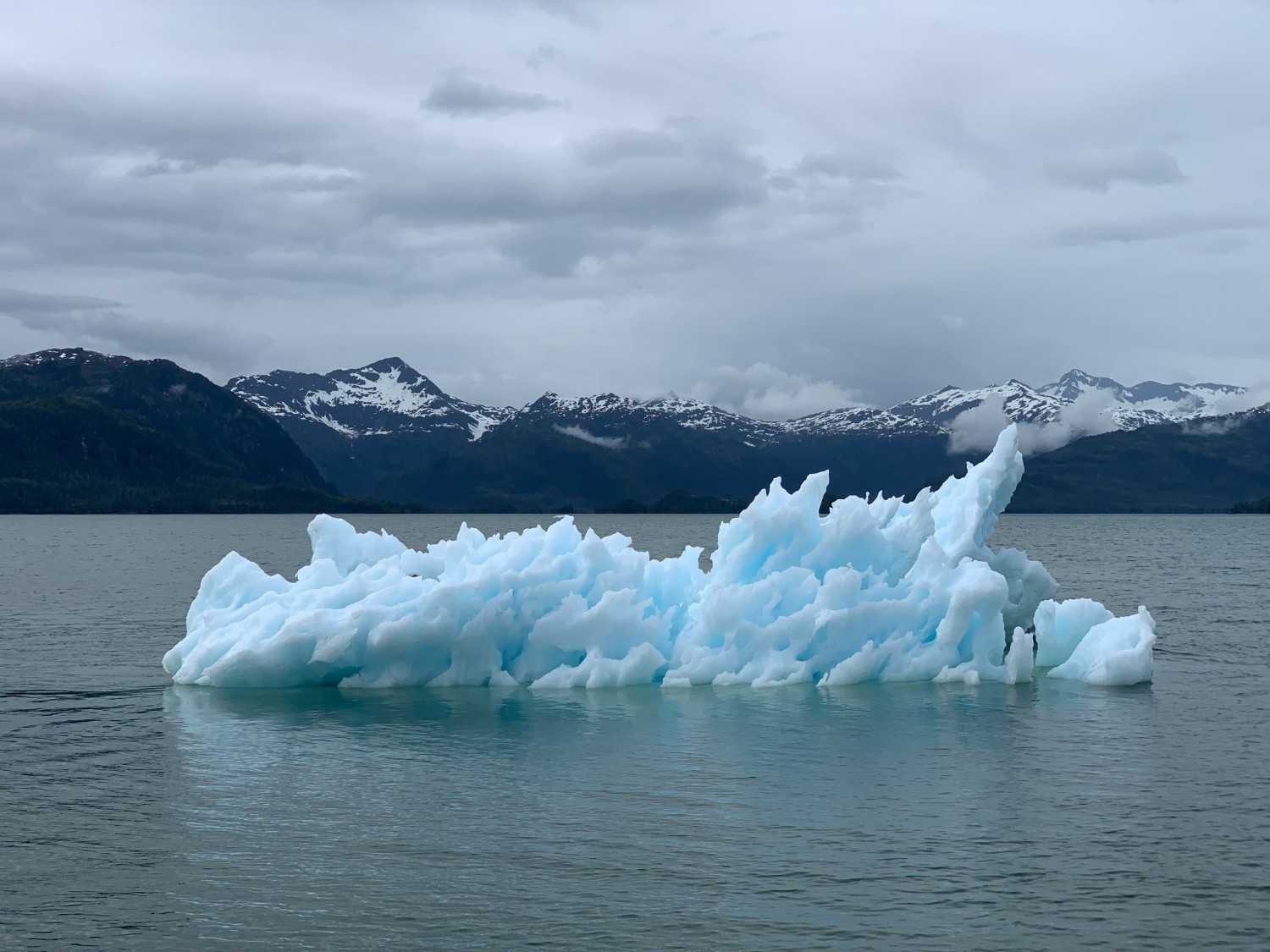
The polar ice caps and glaciers are melting rapidly, raising sea levels. This threatens coastal communities and disrupts ecosystems and wildlife.
Extreme Weather Events:
Climate change increases the frequency and intensity of extreme weather events. Hurricanes, droughts, floods, and wildfires impact communities, economies, and natural environments.
Ocean Acidification:
Increased CO2 levels warm the planet and acidify the oceans. Ocean acidification harms marine life, especially organisms with calcium carbonate shells or skeletons, like corals and some shellfish.
Ecosystem Disruption:
Changing climate conditions disrupt ecosystems and may lead to biodiversity loss. Species unable to adapt quickly may face extinction.
Solutions to Climate Change

Transition to Renewable Energy:
Reducing reliance on fossil fuels and using renewable energy sources is crucial. Solar, wind, and hydroelectric power emit little greenhouse gases. They significantly reduce climate change impacts and help build a sustainable energy future.
Energy Efficiency:
Improving energy efficiency in homes, buildings, and transportation cuts overall energy use. This lowers greenhouse gas emissions and eases strain on natural resources. Efficient energy practices effectively combat climate change.
Reforestation and Afforestation:
Planting trees and restoring forests absorb CO2 from the atmosphere. Forests serve as natural carbon sinks, lowering atmospheric CO2 levels. This action mitigates climate change and supports ecosystem health.
Sustainable Agriculture:
Adopting sustainable farming practices reduces emissions and boosts food system resilience. These methods improve soil health and cut environmental impacts. Sustainable agriculture aids climate change adaptation and secures food supply.
Policy and Regulation:
Strong policies and international agreements, like the Paris Agreement, coordinate global emission reductions. Effective regulation enhances climate resilience and promotes sustainable practices. Governments must act to achieve meaningful climate progress.
Public Awareness and Education:
Increasing climate change awareness encourages sustainable practices at individual and community levels. Education fosters collective action and supports climate solutions. Public engagement plays a vital role in addressing climate challenges.
Conclusion:
Climate change demands immediate, sustained action from all sectors of society. Understanding its causes and impacts drives effective solutions. Acting now ensures a sustainable, resilient future for our planet. Inaction will lead to long-term consequences.