
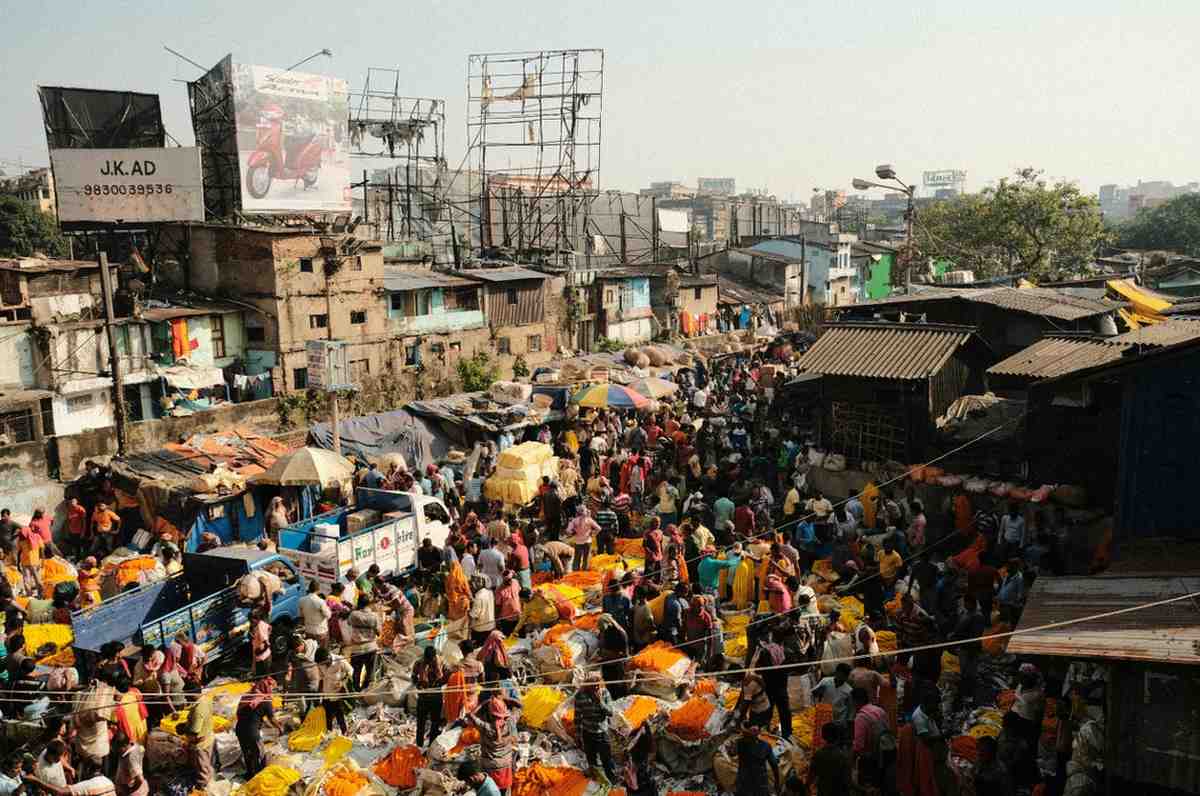
The Village areas are more suitable for agroforestry than cities. Cities are expanding rapidly with more high-rise buildings. By 2013, 1,073 registered real estate companies existed. Additionally, 2,050 land developer companies were working on construction. The number of unregistered companies is uncountable. Urban expansion reduces agricultural land due to construction. today i will talk about the challenges of agroforestry in Bangladesh.
Challenges and Solutions for Implementing Agroforestry in Urban and Rural Areas
Mega projects are required to ensure agroforestry in urban areas. Implement agroforestry in village areas, depending on land availability. Here are a few challenges observed during my project management experience.
Tree Species Selection:
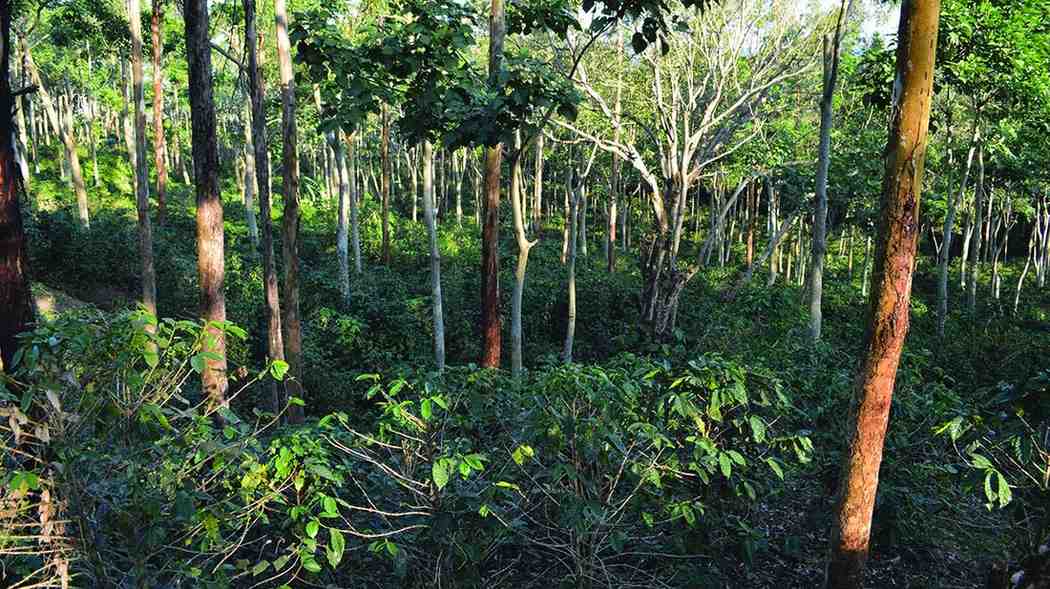
Selecting tree species based on area, farmer interest, and CO2 sequestration is challenging. CO2-friendly and water-efficient species are preferable for agroforestry. However, these preferences often conflict with farmers’ needs. Farmers usually prefer fruit trees and often reject timber and medicinal species. Farmers avoid planting wide-canopied or tall trees to prevent yield reduction.
Adapting to Urban, Riverside, and Waterlogged Areas
Roof gardening often uses ornamental species, which may not fit agroforestry goals. People prefer bonsai and flowers over timber and medicinal species. Riverside areas need cyclone-protected species, but locals prefer timber and fruit trees.
Overcoming Species Selection Challenges in Waterlogged Areas for Agroforestry
Waterlogging areas challenge species selection as not all can thrive there. Jamun and starfruit trees suit waterlogged climates. Selecting the right species is crucial for agroforestry, but research can provide solutions.
Community Perception:
When a landowner plants a tree on the borderline of a cropland, the number of trees often decreases due to grass harvesters. Grass harvesters cut the grass for livestock and sometimes intentionally cut the plants. As a result, adjacent landowners are reluctant to plant trees on the borderlines.
Higher Rate of Population:
Urban expansion means towns and cities extend into surrounding countryside and nearby villages. Urbanization links to economic opportunities, job prospects, and higher individual wealth. Dhaka, one of the fastest-growing megacities, had 2.2 million people in 1975. Its population now reaches 14.54 million, growing at 6% annually.
Challenges of Rapid Population Growth on Agriculture and Deforestation in Bangladesh
Rapid population growth pressures agriculture, forests, and land. Bangladesh has one of the lowest forest covers at 11% and the highest deforestation rate at 3.3% annually. With a population nearing 150 million, expected to grow by another 100 million, agroforestry faces challenges. Land reduction poses significant issues for implementing agroforestry.
Land Tenure System:
77% of people in Bangladesh are farmers, but not all have their own land. Farmers cultivate crops on both owned and leased land. Landowners provide land seasonally and avoid agroforestry to prevent future leasing issues. Leasing farmers avoid planting trees due to seasonal contracts and lack of ownership. These factors make agroforestry challenging in Bangladesh.
Clearing and Opening New Lands for Agriculture:
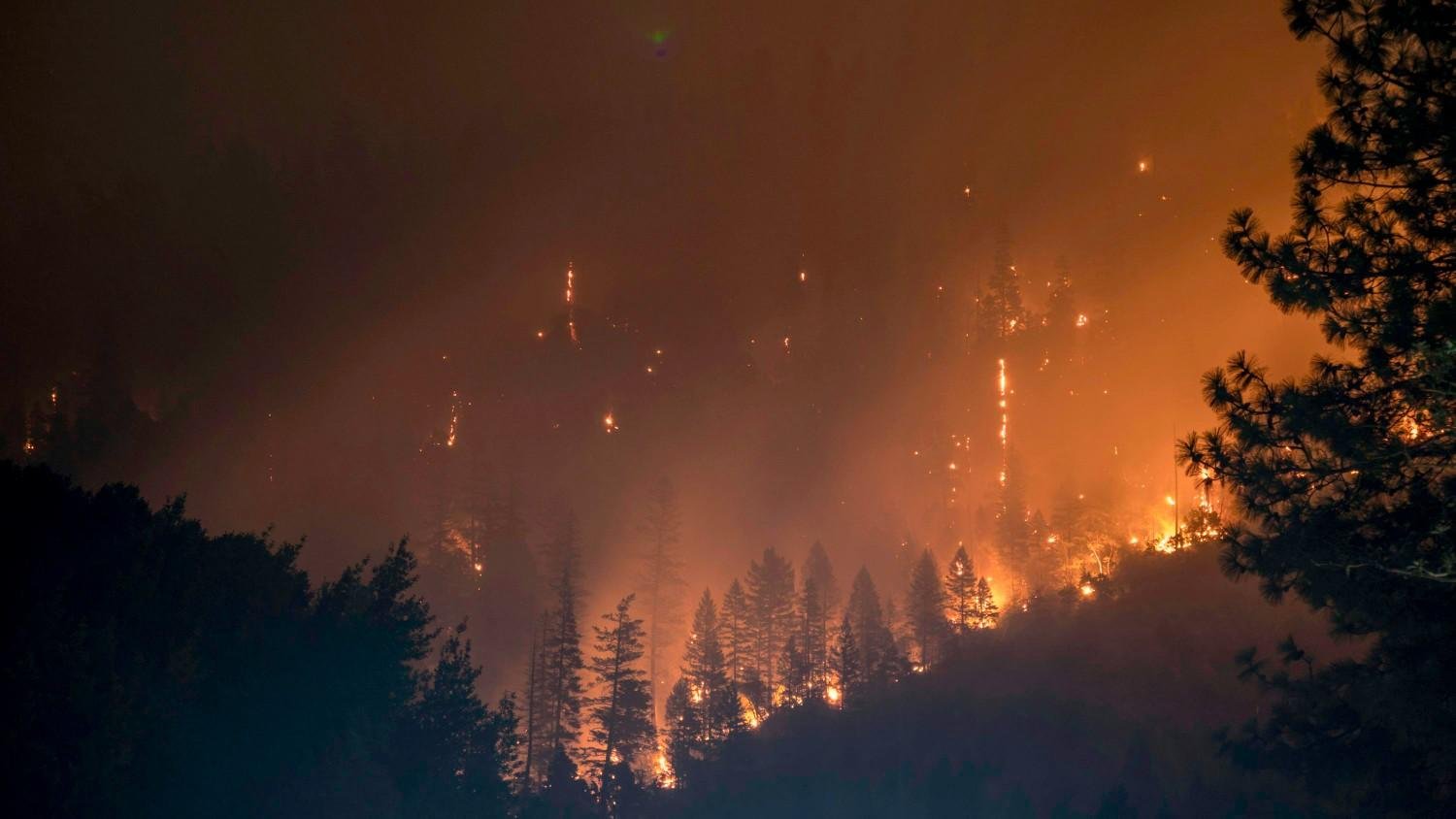
Rising commodity prices have encouraged farmers to maximize food production on small lands. This leads to poor land management and clearing new areas for crops. Farmers also use khash land and border areas for agriculture. Saltwater damage from sea and riverside lands affects soil and plants.
Impact of Livestock and Poultry Production Trends on Land Use and Vegetation
The halt of animal supply from India during Eid-ul-Adha increased livestock production. Higher poultry and egg prices have boosted livestock and poultry rearing. This trend leads to more land clearing, reducing existing trees and plants.
Controlling Weeds and Pests:
Poor land management destroys biodiversity and soil. Chemical herbicides prevent regular weed growth. Controlling pests and weeds threatens forest edges. Bangladeshi farmers still use yellow and green pesticides. Efforts aim to reduce red pesticide usage. Farmers lack knowledge about bio-pesticides, proper mixing, and dosages. Bio-pesticides show slow results, making farmers hesitant.
Slash and Burn:
Small Land size plot in city area:
In city areas and upland villages, people buy and build on 4-5 decimal plots. This makes agroforestry challenging in urban areas. It is one of the biggest challenges of agroforestry in Bangladesh
Pingback: How to Make Sustainable Rooftop Gardening? - Carbon Revolve
Pingback: What is agroforestry? Simply Explained - Carbon Revolve