
In favor of Neoclassicism over the go-for-broke style, Catherine the Great considered the Baroque style crude. Neoclassic architecture is massive in scale, features symmetry, is built to achieve classical perfection as per the Greeks and Romans, and has an uncluttered appearance minimum decorations – compared to the Baroque and Rococo styles. The roofs are flat and often domed, supported by tall columns Doric or Ionic. And its an imaginable history on catherine the great furniture.
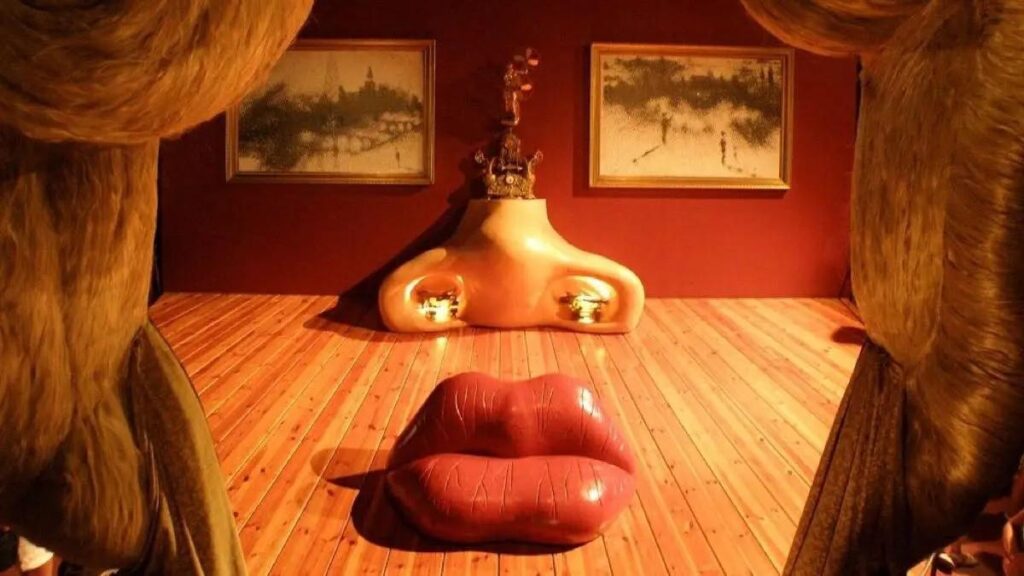
Catherine the great erotic furniture
Charles Cameron designed the north end of the Katherine Palace. These studies, there became a significant emphasis on form. Logically ordered straight lines replace the curves and flounces of Rococo furniture. A good deal of detail and care is usually put into ornamentation and decoration. Painting, inlay, veneer, light carving and relief, and marquetry are used. Mahogany and satinwood are the primary woods used to manufacture this product.
What were some problems of Catherine the Great?
As a Luddite, Catherine the Great was fundamentally a Russian Empress. She did not understand the true power of the Industrial Revolution, and she was against introducing machines into Russian emerging industries (primarily iron smelting and fabric production). Catherine thought machines destroyed jobs. That led to a predictable crisis at the end of the 18th century when Russian industries fell too far behind their Western competition. Secondly, the Empress didn’t promote new agriculture methods.
Russia’s Grain Export Policies and Famine
At the same time, she was a proponent of free trade (not totally free, but a lot less protectionist than before) and grain exports. That led to a continuous cycle of Russian famines. Russia exported too much grain while not producing and saving enough to compensate for the lack of harvests. People associate this approach with the 1930s and Holodomor horror, but that was a 200-year-old practice, not Stalin’s invention. And while Stalin, at least, tried to support Soviet industrialization, Catherine wasn’t doing that.
A Legacy of Financial Mismanagement and Personal Failures
Catherine had a third big problem: she couldn’t balance the budget. Instead of managing the economy properly, he chose to print money and borrow money from abroad. When his son, Emperor Paul, came to Russia, he was faced with an empty chest and many unpaid obligations. After that, it took Russia a century to repay Catherine’s debt. While most Germans were financially and technologically strong, Catherine, despite her German heritage, was weak in both. Also, Catherine is a bad mother to all her children, but this is more of a political aspect.
Catherine the great erotic furniture
Bed catherine the Great Furniture
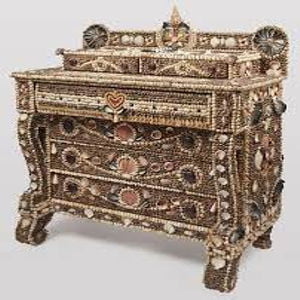
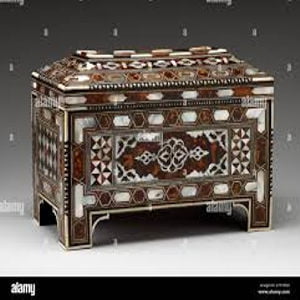
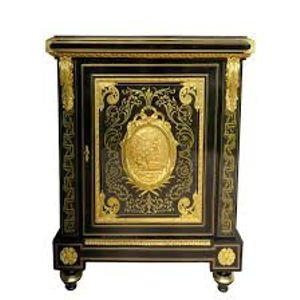
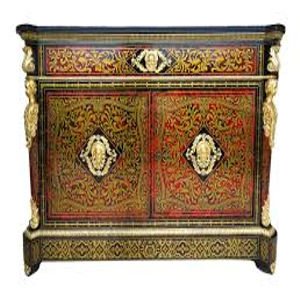
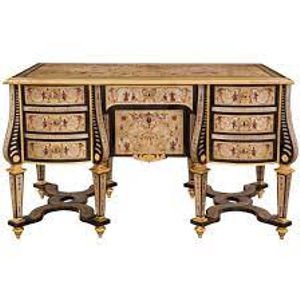
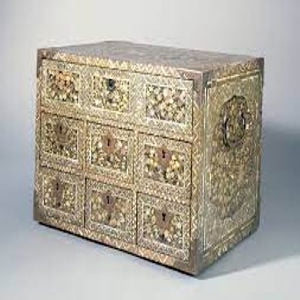
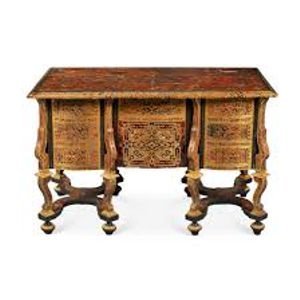

Catherine the great furniture picture
A Reign Marked by Modernization, Conflict, and Controversy
Catherine is a Russian television series starring Marina Alexandrova as the titular Empress from 1762 to 1796:
Political opposition: Catherine was subjected to several revolts and plots against her rule. In 1762, she failed to prevent a palace coup by her husband, Peter III. These were among the wars fought under Catherine’s rule, and lives and finances were lost.
Inflation and financial instability result from Catherine’s ambitious and costly modernization programs.
Legal Reforms, Personal Turmoil, and the Contradictions of Westernization
In addition to improving conditions for the peasants, Catherine attempted to reform the legal system. However, she maintained serfdom and widespread poverty among the lower classes during her reign.
In her personal life, Catherine had several extramarital affairs and conflicts with her son, Paul I.
The Westernization and modernization of Russia under Catherine the Great earned her the reputation of a despot. Her mother’s reign was characterized by repression, censorship, and persecution of political opponents.
What were some problems of Catherine the Great?
Despite her Luddite beliefs, Catherine the Great was a fundamentally Russian Empress in terms of her culture. In Russian emerging industries (primarily iron smelting and fabric production), she opposed the introduction of machines. Catherine believed that machines caused job losses. As a result, Russian industries fell too far behind their Western counterparts at the end of the 18th century. A second problem was that the Empress needed to promote new agricultural techniques actively. Meanwhile, she advocated free trade (not altogether free but much less protectionist than before) and grain exports.
A Historical Practice Beyond the Soviet Era
In the end, the Russian famines were a continuous tragedy. In order to compensate for the poor harvests, Russia exported too much grain while not producing and saving enough. It is a 200-year-old practice, not Stalin’s invention; people associate this approach with the 1930s and Holodomor. On the other hand, Catherine did not fund Soviet industrialization like Stalin did.
Financial Mismanagement and the Legacy of Debt
Catherine’s chronic inability to balance the budget was the third problem. Her actions consisted instead of printing money and taking out foreign loans. Upon inheriting Russia, her son, Emperor Paul, found an empty Treasury and tons of unpaid debts. After Catherine’s debts were paid, it took a hundred years to repay them. The Germans in Russia are stereotyped as being good at budgeting and technology. It is a dark irony that our German Empress was evil at both.
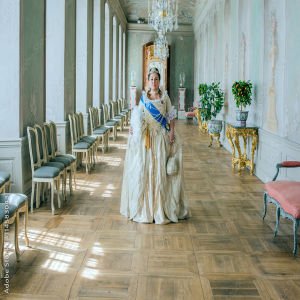
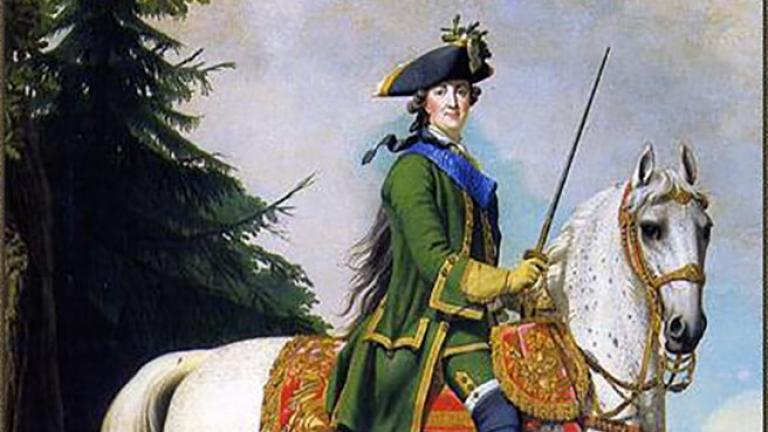

What are the achievements of Catherine the great’s furniture?
First, let me disclose that I am a huge fan of Catherine the Great. Consequently, this discussion is an expression of my predisposition. Catherine II, also known as Catherine the Great, ruled Russia as a woman for the most extended period. Known for her love affairs rather than state affairs, she greatly expanded her country’s empire. Rumors and legends about her scandalous past often surround her despite her accomplishments. The Russian prince who was to become Emperor Peter III married her unhappily when she was a teenager. Initially known as Ekaterina Alekseyevna, Catherine took on the name Catherine. After six months, Catherine overthrew inept Peter, who had an affair with military officer Grigory Orlov. Her husband was arrested and killed later, which secured her position as king.
Champion of Enlightenment and Cultural Flourishing in Russia
There is a view that Catherine was an enlightened ruler from a social perspective. She maintained correspondence with Voltaire. Her collection was used to establish the Hermitage Museum during her reign. Under her influence, Russians adopted Western European philosophies and cultures. Catherine the Great’s rule brought about a golden era for female artists. Under Peter I, who reigned from 1682 to 1725, women were given greater freedom to pursue education. As female artists began to rise in Russia during this time, they, too, were influenced by this period.
A Legacy of Empowerment
By the mid-1700s, newly literate Russian women writers and poets began putting pen to paper. Russian women composers closely followed their work that work, and Russian women composers followed their work. In 2015, Anne Harley, a professor of music at Scripps College, published this in the Journal of Singing. Artists from the aristocracy followed the lead of Catherine II and other women in power in Russia in the 18th century. Women of these aristocratic families followed a new model of cultured, empowered womanhood. Four women ruled the Russian Empire for most of the 18th century, shaping this model. Harley’s paper mentions Catherine I, Anna, Elisabeth, and Catherine II.
A Prolific Russian Artist and Composer in the 18th Century
Princess Natalia Ivanovna Kurakina (1768-1831) was one of the most prolific Russian female artists. In 1795, Breitkopf (Petersburg) published a collection of eight of Kurakina’s French romances. Catherine did not claim the Russian throne. In her emeritus position at the University of London, Isabel de Madariaga was an expert in Slavonic studies. Catherine the Great: A Brief History mentions this in the introduction to her book.
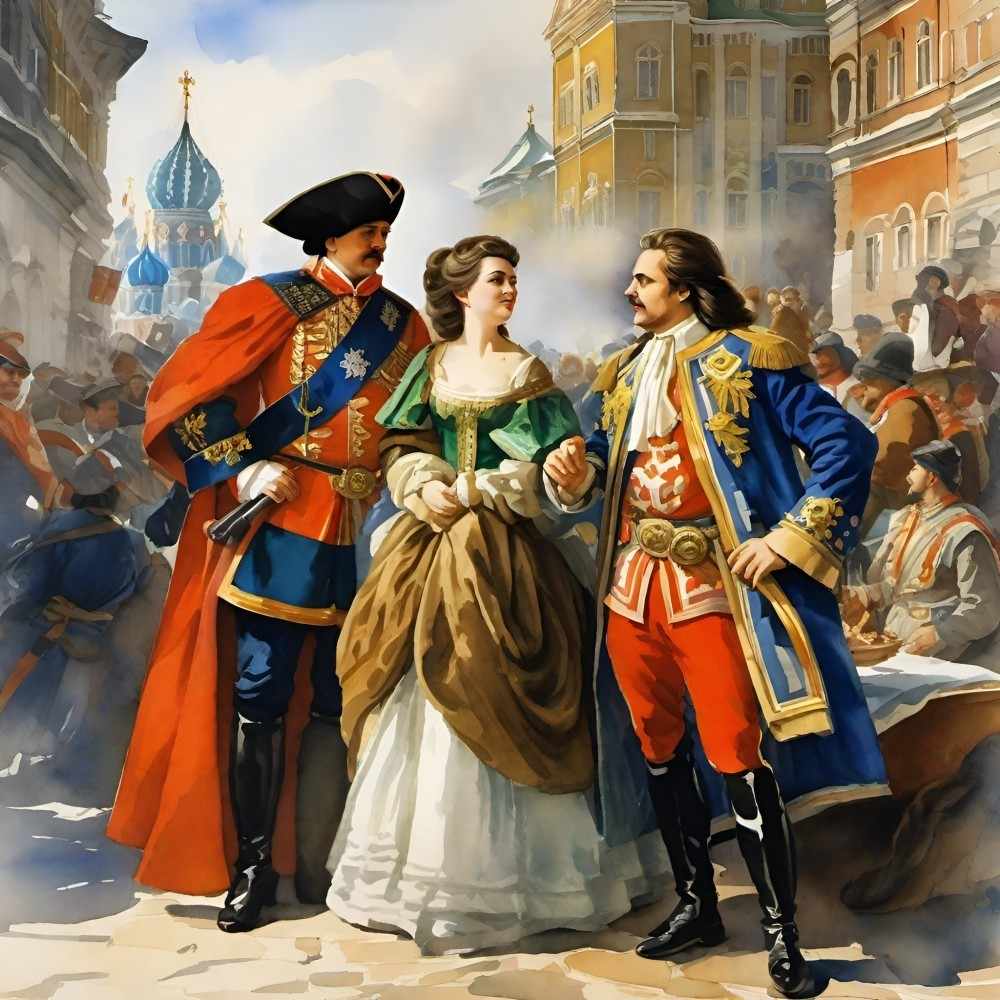
Catherine’s Rise to Power Amid Court Intrigue
After her husband Peter III was crowned in 1761, their relationship quickly deteriorated due to mutual hatred, and he ruled ineptly. Although he was no longer silly, he still lacked common sense, and he swiftly alienated all the crucial court figures, Madariaga noted. Moreover, he antagonized the Orthodox clergy by attempting to seize church lands and further estranged them by marrying his mistress. Consequently, many agencies conspired to dethrone him because of his unpopular policies and poor judgment. Meanwhile, Catherine gained an advantage through her romantic involvement with Grigory Orlov, an officer in the Russian Guards. Eventually, Peter III was imprisoned, forced to abdicate, and then killed.
Insights from a Russian Chronicle
Catherine had many lovers throughout her life, including Orlov. In 1774-1775, she engaged in an affair with Prince Grigory Potemkin, a military leader who frequently switched lovers with her. She admitted, ‘My heart is not made to endure loneliness,’ acknowledging that human vices often hide under the cloak of kindness. Such a disposition, she believed, was more a vice than a virtue. She reassured her lover, ‘The fact that I am writing to you should not concern you. Perhaps you will not love me anymore, or you will not go to the army because you worry I will forget you. A Russian Chronicle, edited by Joseph Ryan, Quadrillion Publishing, 1998
Military Success and Political Influence
During Catherine’s reign, Russia enjoyed a relatively favorable military position. Earlier, her military had defeated Frederick the Great’s forces at Gross-Jagersdorf (1757) and Kunersdorf (1759), securing a powerful position in Eastern Europe. Simon Dixon, a professor at University College London, noted this in his book Catherine the Great. When Augustus III died in 1763, Catherine placed one of her lovers, Stanislaw Poniatowski, on the Polish throne, further solidifying her regional influence.
The Polish Rebellion and Russian Intervention
The experience ended up being more than Poniatowski and Catherine had expected. Catherine’s insistence that he grant rights to Orthodox and Protestant worshipers in Poland offended many Polish Catholics. After a rebellion over this issue, Russian troops were sent to Poland to support Poniatowski. Catherine the Great: Portrait of a Woman by Robert Massie describes neighbors’ concerns over the Russian presence.
Strategic Maneuvers and Key Victories
He said that the Sultan of Turkey was worried that the Russian forces would come from Poland into the Balkans and threaten Istanbul itself. As tensions escalated, a conflict with Russian troops on the Turkish border in October 1768 prompted Turkey to declare war on Russia. According to Massey, Frederick described the Great War as a contest between the one-eyed and the blind. In the summer of 1770, the Russian army won important victories over the Turkish army in the battles of Larga and Kagul, proving that Frederick was wrong. Moreover, in 1770, a Russian navy defeated the Turkish navy in the eastern Mediterranean.
Expanding Russian Territory and Influence
Massie noted that Catherine’s engagements in Poland and against Turkey worked in her favor. Russia, Austria, and Prussia partitioned Poland in 1772, followed by partitions in 1793 and 1795. Further, the Russians gained territories on the Black Sea coast and the Sea of Azov after they threatened Istanbul in 1774. Although Catherine delegated the fight to people with army knowledge, she tested her military mettle. As a result, she gained a great deal of new territory and significantly influenced Russian politics.
Catherine’s Military Admiration and Serf Oppression
Although Catherine loved the United States’ outstanding army success, its social structure was precarious. Serfs, or enslaved people, made up a large portion of the population. Massie cited that few serfs working in mines, foundries, and factories lived to middle age. Catherine tolerated the adverse effects she had on the group despite their negative effects. Her authorities even posted a decree condemning serfs who protested their conditions in 1767.
Tolerance of Social Inequality and Repressive Measures
Does Her Imperial Majesty’s current decree imply that serfs and peasants must cease to obey their landlords? Those who submit unlawful petitions complaining about their landlords should be punished. As part of this group, petitions to Her Imperial Majesty will be included. Anyone making or writing these petitions shall be punished with the knout. As part of the deportation, they will be sentenced to life imprisonment in Nerchinsk.
The Rebellion of Pugachev and the Enduring Myths Surrounding Her Death
A result of Catherine’s treatment of the serfs. His rhetoric was intended to gain support from serfs and other members of Russia’s lower classes. Previously, wicked Nobility and corrupt town judges imposed taxes and financial burdens on the peasants and the people. As he approached Penza, he offered land ownership to the people. After Catherine’s death, Pugachev was captured and executed, and serfdom continued. For centuries, her enemies have spread gossip about her death: that she died while having sex with a horse. Her death was attributed to being flushed down the toilet by others. Neither rumour was true. After Catherine’s death, Paul I succeeded her, supposedly the son of her and Peter III. Regardless, Paul did not last long on the throne. He was assassinated in 1801.
The Historical Impact of Catherine the Great
Serfdom was gradually abolished in Russia during the 19th century, but the wealth gap between Nobility and peasants persisted. After Russia entered World War I in 1914, these social problems again reached a boiling point. Nicholas II was executed in 1918, ending the Russian royal family. The resulting civil war led to the rise of the world’s first communist state, which eventually became a global superpower. The importance of Catherine the Great in history can be attributed to the following reasons.
Russia’s Western Identity Through Enlightenment and the Arts
Russia had been westernized by her predecessor, Peter the Great. By patronizing the arts, she solidified the ideals of Western thought. She also spread Enlightenment ideals and corresponded with Western European thinkers. Nowadays, most people consider Russia to be a Western country. It is largely because of her contributions that this image exists. and catherine the great furniture.
Barriers, Changes, and the End of Empresses
She was a woman ruler. From a historical perspective, women’s political figures are fascinating to study because they face significantly more systematic barriers to power than men. After her reign, Russia had no more empresses because women could no longer inherit the throne. Why are women no longer able to reach the top? Well, her son Paul and I hated her and changed inheritance laws to exclude women.
Enhancing Noble Power at the Expense of Serfs
She gave the Nobility even increased power over the serfs through the 1785 Charter to the Nobility. Historians often bring up this controversy. She did not help free Russian serfs from servitude but increased the ties between nobles and serfs. Her Russia allowed aristocrats to flourish, but serfs were ignored and catherine the great x rated furniture.

Catherine the great furniture
Her superb taste in furniture and decor mirrored her inclinations and the design of the 18th century. The following are some crucial details about her furniture.
Rococo Style
Furniture from her reign often displays elaborate details, detailed designs, and flowing lines typical of the Rococo style.
Regal Palaces
The Winter Palace and Catherine Palace were opulently adorned with gilding, inlay, and luxurious fabrics.
Art that is practical as well as creative
Catherine preferred pieces that were both practical and creative. This design included a large dining table, graceful chairs, and lavishly adorned cabinets.
Influence from Europe
She hired artisans to make bespoke furniture and brought numerous pieces and designs from Western Europe, particularly France.
Cultural Symbolism
The furnishings frequently mirrored Russian culture and authority, blending indigenous artistry with European designs. If you are seeking particular items, a museum like the State Hermitage Museum showcases some of the finest furniture from her period. Could you explain the inlay techniques used in her furniture?This ornamental art technique creates attractive patterns or images by embedding various pieces of wood into a surface. During Catherine the Great’s era, numerous methods were frequently employed.This method combines materials like copper and shell to form complex designs. In the 18th century, this technique was frequently employed to adorn walls with intricate floral patterns.
Intarsia
This technique utilizes pieces of wood with varied hues and patterns to construct a mosaic-like image. It creates a smooth look without the use of adhesive.
A more economical wood core was enveloped with thin layers of ornamental wood. To produce intricate designs, proficient artisans would carve and join pieces.
Elegance and Craftsmanship
Marquetry with inlay or edging: These detailed designs were bordered with strips of various kinds of wood, enhancing their visual charm. The Rococo style was defined by whimsical and elegant aesthetics, as seen in the designs on Catherine’s furniture. Consequently, her furniture showcased the craftsmanship and extravagant look of the era.

Can you explain the differences between Boulle work and intarsia?
Yes, of course! Among the key differences between Boulle work and intarsia are.
Marquetry Work Materials
It uses different materials, such as brass and tortoiseshell.
Metals are used in combination with wood veneer every day.
Technique
Method, approach, skill, strategy.
This technique involves carving out a pattern and using it to insert another, creating a shadow effect.
Style
Creates complex, textured designs with a more three-dimensional look.
Fashion: Example: Her fashion sense is elegant and classy.
Intarsia Materials
Numerous intricate baroque patterns, like curls, foliage, and ornate designs, are frequently displayed—a typical characteristic of furniture items from the late 17th and 18th centuries.
Intarsia – inlay
Is this what you were looking for?
This technique primarily utilizes various types of timber, which come in various hues and textures. The procedure typically does not require metal or any materials besides wood.
method, approach, procedure
Technique
Frequently without any apparent spaces, this procedure includes connecting pieces of timber to form an image or design. To accomplish this patchwork effect, the pieces are moulded to fit tightly.
Style
The artist can depict more lifelike and intricate scenes, such as natural scenery or human forms. These ornamental crafts are closely linked to the Renaissance.
In essence.
Summarize
Boulle’s work highlights juxtaposition and intricacy through a combination of materials and shapes. Intarsia involves smoothly blending various types of wood to craft intricate designs.

Catherine the Great and Her Furniture: A Reflection of Imperial Grandeur
Catherine the Great’s furniture greatly impacted Russian culture, the arts, and her political accomplishments. During her rule, Russia’s architecture, literature, and interior design were heavily updated and influenced by Western culture. Catherine the Great was enthusiastic about furniture, which helped convey her authority and style. This article showcases the detailed artistry, style, and historical importance of Catherine the Great’s furniture.
The Era of Enlightenment and Its Influence
Catherine the Great passionately supported the Enlightenment and its principles, which emphasized logic, knowledge, and creativity. This adoration greatly impacted her support of the arts and her preference for furniture. She aimed to incorporate Russian culture with the refinement and grace of Western Europe, especially that of France and England.
The Neoclassical Style
Catherine the Great’s furniture was known for its Neoclassicism style, which emerged in the mid-18th century and was inspired by ancient Greece and Rome. Neoclassical furniture featured clean lines, symmetry, and restrained ornamentation, reflecting the Enlightenment ideals of order and clarity of catherine the great furniture.
Key Features of Neoclassical Furniture
Symmetry and Balance
With balanced designs and proportionate forms, Neoclassical furniture often showcased harmony and balance.
Geometric Shapes
Using geometric shapes like circles, squares, and rectangles established a feeling of organization and steadiness in furniture.
Classical Motifs
Motifs inspired by ancient classical designs: Columns, pillars, decorative bands, and ornaments were included in the adornment.
Refined Materials
Top-notch materials such as mahogany, gilded bronze, and inlaid work were used, highlighting opulence and skilful artistry.
The Influence of French and English Furniture
She integrated French and English furniture styles into her collections as a tribute to Western European culture. Louis XV and Louis XVI era furniture collection eras was renowned for its grace, elaborate craftsmanship, and abundant materials. Meanwhile, English furniture was greatly appreciated for its practical design and sturdy craftsmanship.
French Furniture in Catherine’s Collection
Louis XV Style
Defined by its Rococo lavishness, the Louis XV style showcases curved contours, intricate carvings, and luxurious fabric. Catherine admired its artistic style and often incorporated floral patterns, curved legs, and gold embellishments into her furniture.
A revival of classical moderation
the Louis XVI style highlighted linear, geometrical forms and classical patterns. The Neoclassical style appealed to Catherine’s preferences and was dominant in her later collections.
English Furniture in Catherine’ Collection
Chippendale Style
The design incorporates Gothic, Rococo, and Chinese influences. Chippendale pieces often showcased mahogany wood, elaborate carvings, and graceful proportions that Catherine appreciated.
Hepplewhite and Sheraton Styles
Sheraton and Hepplewhite designs are known for their grace, sophistication, and intricacy. In Catherine’s assortment, she had Hepplewhite seats with shield-shaped backs and Sheraton tables with satinwood inlays.

Iconic Furniture Pieces of Catherine the Great
The Amber Room
One of Catherine the Great’s famous and lavish creations is the Amber Room. Originally a present to Peter the Great from the King of Prussia, the Amber Room was placed in Catherine’s Palace in Tsarskoye Selo. This was under Catherine’s supervision. Golden panels, gilt leaves, and reflective surfaces adorned the room, forming a stunning exhibition of luxury and artistry. Furthermore, it serves as a testament to Catherine’s luxurious preferences and stands out as one of the most renowned illustrations of Baroque art.
The Chesme Palace Furniture
Petersburg. The palace, also known as “Chesme Castle,” was designed by the architect Ilya Neyelov and completed in 1774. It was constructed to honour the Russian triumph over the Ottoman Empire and functioned as a symbol of Russian power and influence in the region. The palace’s architecture and design were meant to showcase the grandeur and strength of the Russian Empire under Catherine the Great’s rule. Today, Chesme Palace is a testament to Russia’s historical victories and a popular tourist attraction in St. Petersburg. St. Petersburg The insides of her palace were decorated with furnishings that showcased her appreciation for Neoclassical style. She demonstrated grace and sophistication with luxurious upholstery, intricate carvings, and traditional patterns.
The Hermitage Museum Collection
The Hermitage Museum contains many artworks and relics, including furnishings from the rule of Catherine the Great. Besides Neoclassical and Rococo art and furniture, the museum’s collection showcases magnificent specimens. Catherine the Great’s lavish world is portrayed in golden dressers, elaborately carved chairs, and decorated tables.
Craftsmanship and Artisans
To produce Catherine the Great’s furniture, proficient artisans from Russia and Europe worked together. In addition to their carpentry, inlay, gold leafing, and catherine the great furniture covering skills, these artisans created practical works of art.
Russian Artisans
Catherine the Great promoted local artisans and workshops, fostering the growth of Russian artisanry. Conventional Russian elements were amalgamated with European techniques and styles by Russian furniture artisans. As a result of this blend, one-of-a-kind and precious furniture pieces were produced that mirrored the cultural interchange of the era.
European Artisans
In addition to Russian artisans, Catherine the Great hired French, English, and German artisans. Consequently, her furniture assortment was varied and abundant because of these craftsmen’s specialized expertise and understanding. Cutting-edge and intricately designed furniture was produced through the partnership of Russian and European artisans.
Conclusion
In elevating Russian culture to new heights, Catherine the Great’s furniture is proof of her vision, style, and impact. As a supporter of the arts, she valued Neoclassical, French, and English designs, resulting in an unmatched assortment of furniture. She ruled over one of history’s most remarkable empresses whose achievements evoke admiration and awe. Catherine the Great’s influence as a supporter of the arts and a representation of imperial grace endures through her furniture.
I’ve learn some just right stuff here. Definitely price bookmarking for revisiting. I wonder how so much attempt you put to create one of these wonderful informative web site.
Thank you so much
I really like reading through a post that can make men and women think. Also, thank you for allowing me to comment!
I am truly thankful to the owner of this web site who has shared this fantastic piece of writing at at this place.
Great information shared.. really enjoyed reading this post thank you author for sharing this post .. appreciated
This topic has become increasingly relevant among travelers looking for meaningful and unconventional experiences. From personal adventures and numerous travel blogs, it’s clear that more people are shifting toward discovering hidden gems, immersing in local cultures, and minimizing environmental impact. Exploring new places isn’t just about sightseeing anymore—it’s about forming connections, gaining new perspectives, and sometimes, rediscovering oneself. Whether it’s walking through a quiet village, joining a traditional cooking class, or simply watching wildlife in its natural habitat, these moments are what truly enrich the travel experience. With the growing awareness around sustainability and authentic experiences, it’s time we look beyond the mainstream and embrace journeys that are both enriching and responsible. For anyone planning their next trip, considering these aspects can make a world of difference.
https://shorturl.fm/zvFJg
https://shorturl.fm/JjPbe
https://shorturl.fm/IhzYo