
Zero Tillage Or Minimum Tillage?
Bangladeshi farmers are not accustomed to zero or minimum tillage. While working with the Feed the Future program in Jibonnagor, Chuadanga, Rangpur, and Munshiganj districts, I noticed an internal competition among farmers to till more, aiming to finely powder the soil for potato production. Farmers believe more tillage increases yields, and seed companies promote this for contract farming. However, the Department of Agricultural Extension (DAE) is encouraging best practices in zero or minimum tillage, aligning with regenerative agriculture.

Zero tillage or minimum tillage has special characteristics that improve soil health; they are the pillars of regenerative agriculture. The question now is which practice farmers should adopt first zero tillage or minimum tillage. We need to understand the importance of allowing soils to remain undisturbed. This practice increases the abundance and diversity of soil microbes, resulting in enhanced soil microbiome communities and soil structure. These enhancements offer ecological advantages and increase the resilience of crops to stressors, ultimately improving crop quality and yield.
Is there any difference between no-till and zero tillage?
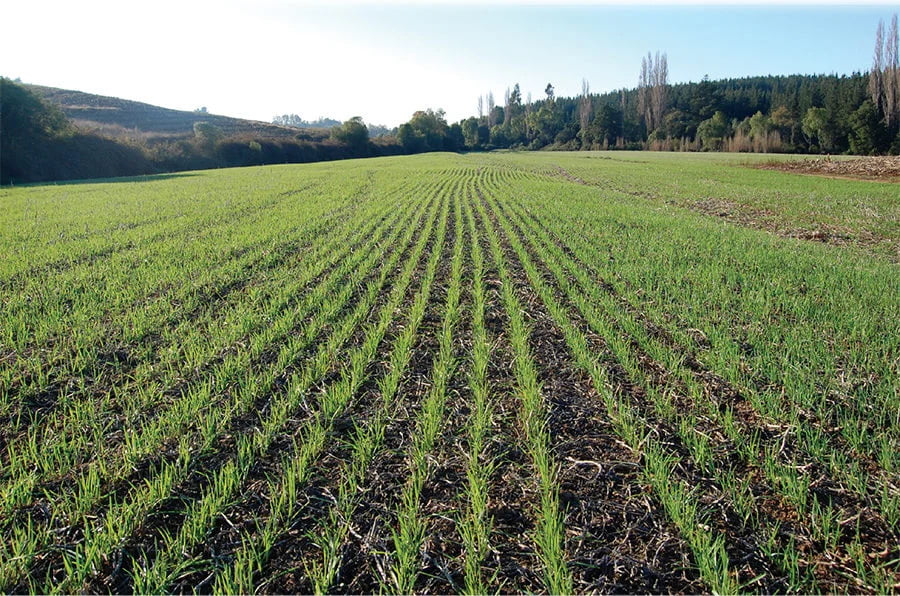
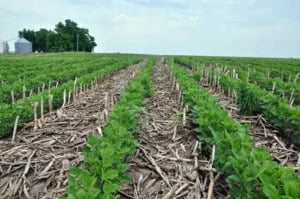
The terms “zero-tillage” and “no-tillage” are often used interchangeably, but they have a slight distinction. Zero-tillage avoids all mechanical soil disturbance, whereas no-tillage permits limited disruption using specialized equipment.
Why is zero tillage the pillar of regenerative agriculture?
Improving soil structure: Not cultivating reduces soil compaction, leaves old root holes to facilitate internal drainage, and prevents the pulverization of soil aggregates and the formation of pans. It also reduces draft power needed for planting and provides shelter, winter food, and nesting sites for fauna.
Reducing both wind and water erosion of soils: Crop residues on the surface practically eliminate wind and water erosion. They also reduce soil moisture loss through the mulch effect and slow spring warm-up, though this may be offset by a lower specific heat demand due to less water retention in surface soil. Additionally, crop residues serve as a reserve of organically-compounded nutrients as they decompose into humus.
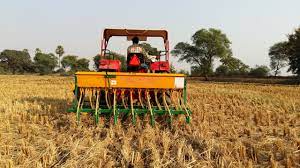
Reduce agricultural run-off into watersheds and aid in soil carbon sequestration
When choosing the best practices for zero or minimum tillage, farmers should consider several key factors. Increased soil organic matter (SOM) improves water and nutrient retention, boosts year-round biological activity, and forms more stable soil aggregates. It also serves as a carbon sink, benefiting the environment. Societal advantages include:
- More affordable food production
- Reduced flood and drought risks
- Carbon sequestration and lower NO2 emissions
- Cleaner water and better aquifer recharge
- Reduced dust and cleaner air
- Halved farm diesel consumption
- Less deforestation, allowing crop expansion on steeper land
- Increased wildlife populations (e.g., skylarks, plovers, partridge, peccaries)
Less soil crusting
Improving soil organic matter depends on balanced no-till practices and incorporating manure, compost, cover crops, and crop residues. Dense root systems help prevent soil crusting. On the other hand, tillage disturbs soil structure, increases runoff, and accelerates erosion. It also removes crop residues that protect the soil from raindrop impact, leaving soil particles more prone to displacement and erosion.
Increased soil organic matter over time
No-tillage enhances soil organic matter by preserving surface residue, minimizing soil disturbance, and boosting root biomass, microbial diversity, and earthworm populations. By keeping the soil undisturbed from harvest to planting, no-tillage promotes an increase in organic matter as roots and surface residues decompose over time. This slow decomposition process helps release carbon into the atmosphere more gradually.
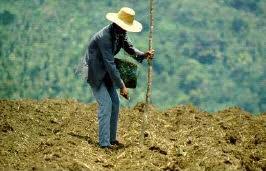
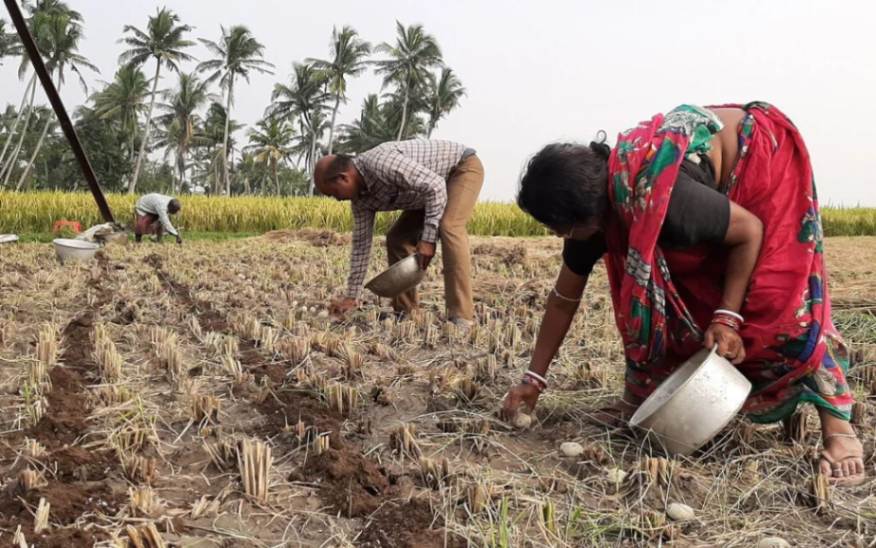
Zero Tillage technique:
These factors greatly enhance crop vigor, resilience to stress, and overall yield. Additionally, minimizing soil tilling reduces costs by lowering fertilizer needs and using water more efficiently. Reduced or no-till practices are vital in regenerative agriculture, offering significant benefits both now and for future soil health. I have observed that some cotton farmers have used zero tillage, while many others employed minimum tillage. However, the adoption of zero tillage was not driven by its concept but rather by the need during a particularly heavy rainy season when tillage was impractical.
Importance of seed germination:
Farmers have sown cotton seeds to minimize seed germination loss. While this practice is not yet widespread, some projects have demonstrated its potential benefits, though high tillage remains common. Therefore, starting with minimum tillage is advisable. Raising awareness and planning for a transition from minimum to zero tillage is essential for future success. I recommend beginning with minimum tillage, but ultimately, farmers have the freedom to choose their approach
All of these contribute greatly to crop vigor, resiliency to crop stressors, and ultimately, crop yield. Additionally, there are cost reduction opportunities for growers, including reduced tilling of soils, reduced requirements for fertilizers, and more efficient use of water resources. Altogether, reduced or no-till practices are key regenerative agriculture practices that will provide valuable benefits in both the near term as well as rebuilding soils for generations to come.
Zero cost in zero tillage during rainy season:
I have seen that a portion of cotton farmers have planted cotton with zero tillage, while most farmers at that time planted with minimum tillage. The reason wasn’t the concept of zero tillage; they used the method for the heavy rainy season when tillage wasn’t required.
Farmers sowed cotton seed to reduce the loss of seed germination. Though this practice isn’t widely adopted yet, a few projects have shown the numbers; internal high tillage is still prevalent. We should start with minimum tillage. There should be awareness and a plan for transitioning from minimum to zero tillage. Then it will work in the future. So, I suggest everyone start with minimum tillage. However, the decision lies with the farmer as a key climate-responsible person, whether adopting best practices for zero or minimum tillage after internalizing the process.
Pingback: The Five Key Principles for Soil Health - Carbon Revolve
Some genuinely interesting information, well written and broadly speaking user genial.
https://shorturl.fm/kq8gu