
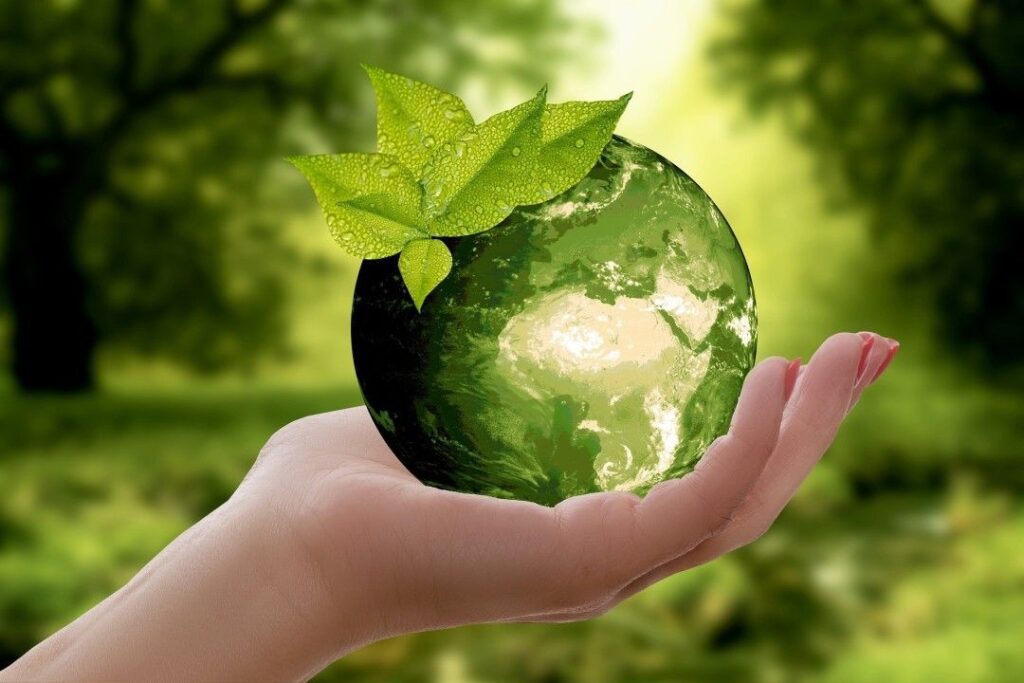
“Global warming” refers to the increased average temperature of the Earth, which is caused by the concentration of greenhouse gases in the atmosphere and changes in climate measures over a long period of time, including precipitation, temperature, and wind patterns. Generally, the temperature increases due to the elevated levels of CO2 and CFCs. Global warming has a dangerous effect on our environment that we are facing these days. Rapid industrialization, population growth, and pollution are causing a rise in global warming. It is the long-term heating of Earth’s surface observed since the pre-industrial period (between 1850 and 1900) due to human activities, primarily fossil fuel burning, which increases heat-trapping greenhouse gas levels in Earth’s atmosphere. What is Global Warming-Explained Simply, This term is not interchangeable with the term “climate change.”
What are the reasons for global warming?
There are multiple reasons behind global warming. Some specific reasons are discussed in the following paragraphs.
Generating power, electricity, and heat by burning fossil fuels causes a large chunk of global emissions:
Burning fossil fuels produces carbon dioxide, a greenhouse gas. It is called a greenhouse gas because it produces a “greenhouse effect.” The greenhouse effect makes the Earth warmer, just as a greenhouse is warmer than its surroundings. When fossil fuels are burned, they release large amounts of carbon dioxide, a greenhouse gas, into the air. Greenhouse gases trap heat in our atmosphere, causing global warming. Already, the average global temperature has increased by 1°C.
Manufacturing goods:
The CBO estimates that the manufacturing sector was responsible for 12 percent of U.S. greenhouse gas emissions in 2021. About 75 percent of those emissions came from burning fuel to create heat, and the rest were by-products of industrial processes that transform materials into products. Since the Industrial Revolution, human activities have released large amounts of carbon dioxide and other greenhouse gases into the atmosphere, which has changed the Earth’s climate. Natural processes, such as changes in the sun’s energy and volcanic eruptions, also affect the Earth’s climate.
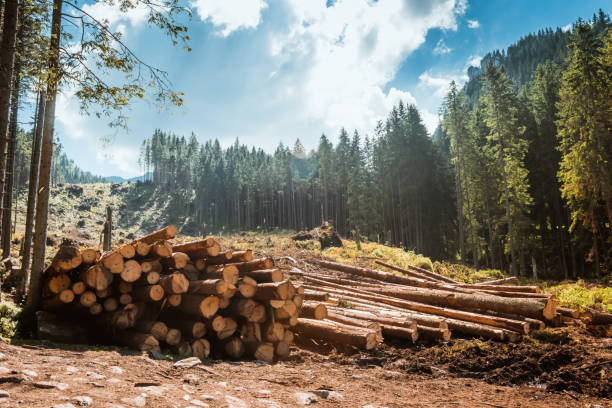
Cutting down forests:
Trees absorb and store carbon dioxide. If forests are cleared, or even disturbed, they release carbon dioxide and other greenhouse gases. Forest loss and damage cause around 10% of global warming. When deforestation occurs, much of the carbon stored by trees is released back into the atmosphere as carbon dioxide, which contributes to climate change and What is Global Warming-Explained Simply.
Using transportation:
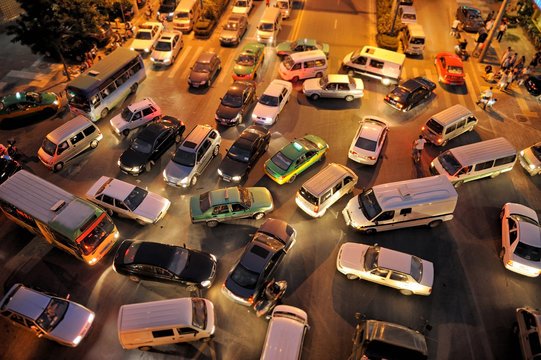
Most cars, trucks, ships, and planes run on fossil fuels. That makes transportation a major contributor of greenhouse gases, especially carbon dioxide emissions. Road vehicles account for the largest part, due to the combustion of petroleum-based products like gasoline in internal combustion engines. Burning fossil fuels like gasoline and diesel releases carbon dioxide, a greenhouse gas, into the atmosphere. Admittedly, air transport is extremely polluting – but so are cars. Air traffic represents less than 2-3% of global CO2 emissions, whereas road traffic accounts for around 10% of these direct emissions. Still, planes remain among the most polluting means of transport, together with cars.
Producing food:
Food needs to be grown, processed, transported, distributed, prepared, consumed, and sometimes disposed of. Each of these steps creates greenhouse gases that trap the sun’s heat and contribute to climate change. When food ends up in landfills, it generates methane, an even more potent greenhouse gas.
Powering buildings:
Generating electricity and heat by burning fossil fuels causes a large chunk of global emissions. Most electricity is still generated by burning coal, oil, or gas, which produces carbon dioxide and nitrous oxide – powerful greenhouse gases that blanket the Earth and trap the sun’s heat. About 30 percent of the electricity buildings use is generated from coal-burning power plants, which release greenhouse gases, causing climate change.
Consuming too much:
Individuals and households contribute to global warming by consuming goods and services that cause greenhouse gas emissions – for instance, by owning a refrigerator or a car. What is global warming-explained simply. Through this, they are responsible for all the fossil fuels that go into making, distributing, advertising, selling, using, and disposing of it. Your home and use of power, how you move around, what you eat, and how much you throw away all contribute to greenhouse gas emissions.
Pingback: Contrasting Climate Change & Global Warming - Carbon Revolve
Pingback: The Story of Climate Change in My Eyes - Carbon Revolve
Pingback: Climate Change: Causes, Impacts & Solutions - Carbon Revolve