
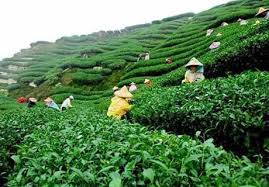
Agroforestry integrates agriculture and forestry, creating relationships between trees and crops. It establishes farming systems that enhance environmental and economic biodiversity while addressing social aspects. This includes planting trees in buffer zones, roadside areas, and agricultural landscapes to optimize timber, trees, and other commercial products. So I will discuss, What is agroforestry? Simply Explained.
Producing Nutritional Food and Achieving Net-Zero Emissions Through Agroforestry
The goal is to produce sufficient fruits and nutritious food for national and international markets. Protecting the environment and ensuring carbon sequestration to achieve net-zero emissions are key objectives. Agroforestry involves protecting, regenerating, planting, or managing trees in agricultural landscapes, interacting with crops, livestock, wildlife, and people.
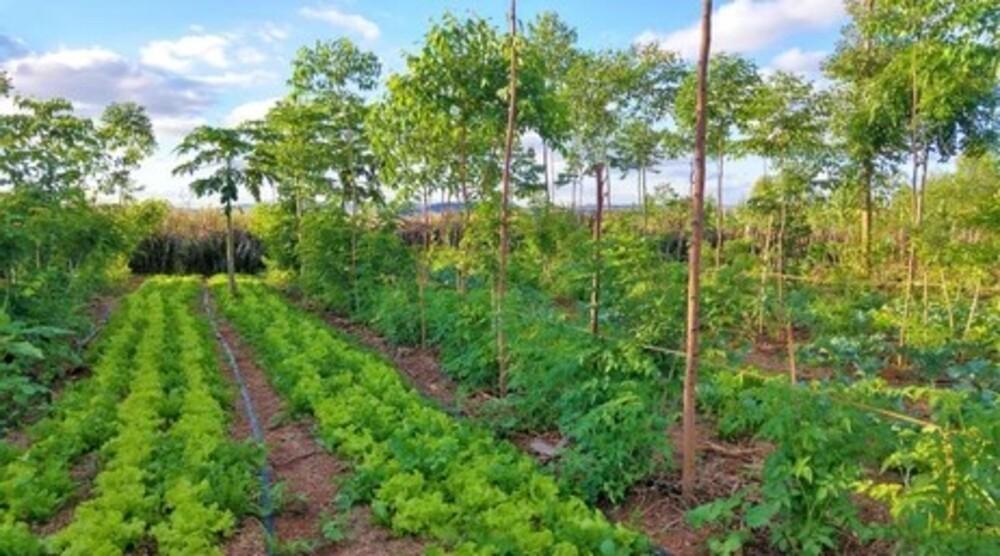
The Agroforestry Situation in Bangladesh
In short, there is nothing better than a tree. The total forest area of Bangladesh is 2.6 million hectares, which is nearly 17.4% of the total land area of the country, according to the Bangladesh Forest Department. However, additional information suggests that the largest mangrove forest, Sundarban, Shalban, and Modhupur forests are alive in Bangladesh but still fall 9% short of the total forestry requirement. The forestry sector accounts for about 3% of the country’s gross domestic product (GDP) and 2% of the labor force.
The way of destroying forestry
The Forest Department of Bangladesh has allowed membership cards for harvesting trees, collecting goal and honey, and catching fish from the mangrove Sundarban forest. This opportunity poses a threat to Sundarban as it leads to uncontrolled tree cutting and goal collection, destroying biodiversity through the use of chemicals for fishing, and decreasing the number of forest animals day by day.
Ethnic Communities, Deforestation, and the Role of Agroforestry
The ethnic community of Modhupur and Shalban forests is also under threat due to forest destruction. The forest area has been decreasing day by day. Ethnic people cut many trees to make homes for themselves. However, the Forest Department of Tangail cannot take action due to political embargoes. The elephant population is also decreasing in this area. Hopefully you will be clear, What is agroforestry? Simply Explained.
Is there any hope to scale up agroforestry?
A significant number of agricultural projects are being implemented to scale up agroforestry. It is becoming an essential part of regenerative agriculture. The impact of global warming is evident through cyclones, droughts, and heatwaves. Therefore, Bangladesh is recognizing the importance of agroforestry considering its 18 crore population.
Celebrations and Tree Fairs Organized by the Bangladesh Forest Department
The Bangladesh Forest Department celebrates National Tree Plantation Day and World Environment Day on June 5th each year. This day is marked by organizing the largest tree fair in Dhaka, inaugurated by our Prime Minister with an instructive and constructive speech. After completing the one-month national tree fair, divisional and district tree fairs are organized by the district commissioners of Bangladesh.
Community Groups and International Brands Addressing Climate Change
Community organizations, CBOs, and volunteer organizations also take initiatives for tree distribution and plantation. On the other hand, a few German and Korean brands are also working on climate change with a focus on agroforestry. If you have any quarries about What is agroforestry? Simply Explained. please let me know though in the comments.
Pingback: Best Agroforestry Species for Bangladesh - Carbon Revolve