
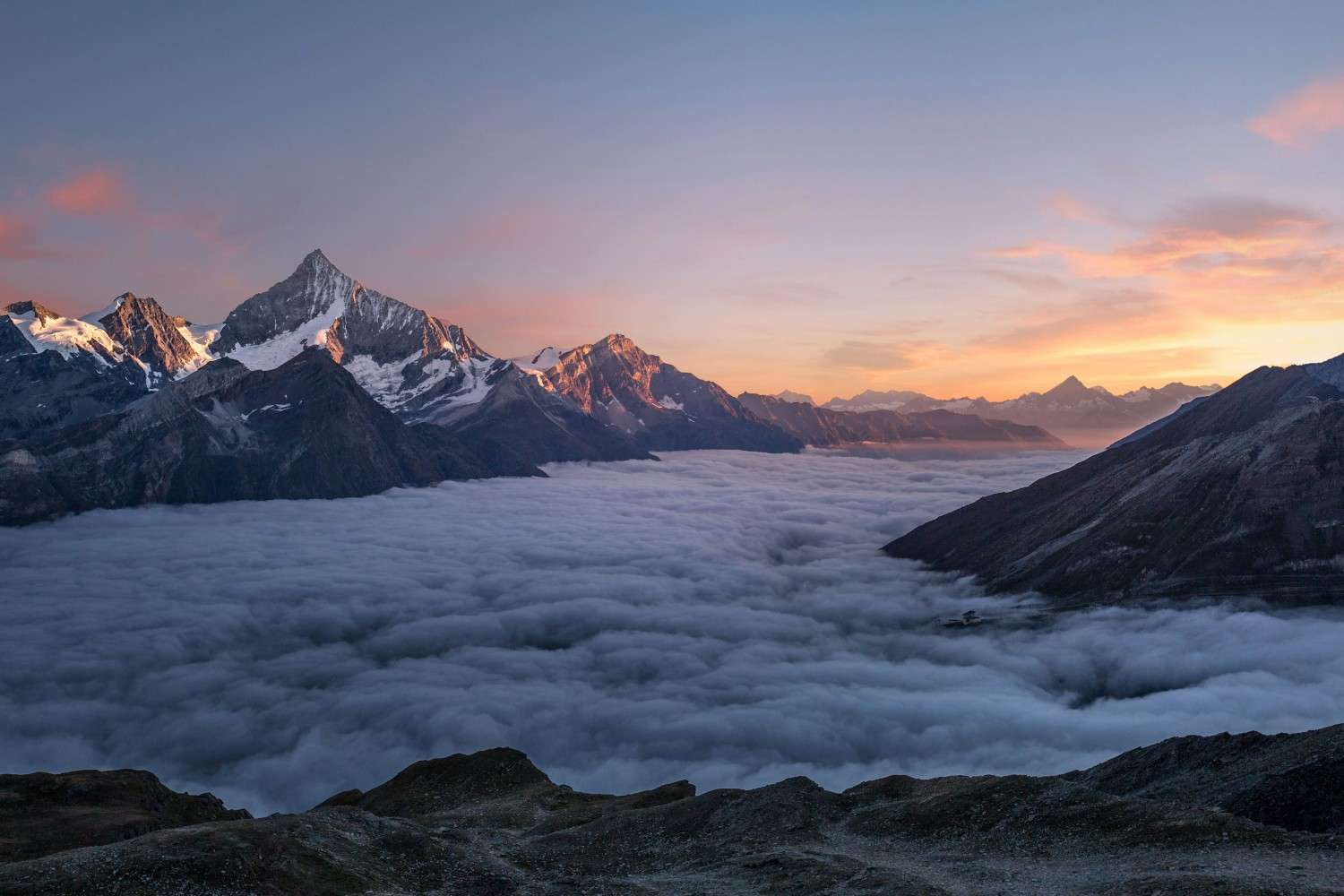
 The layer of gases that surrounds the Earth in the atmosphere.
The climate system operates through five universal and natural components: atmosphere (air), hydrosphere (water), cryosphere (ice and permafrost), lithosphere (Earth’s upper rocky layer), and biosphere (living things). Important factors such as latitude, altitude, pressure, wind systems, distance from the sea, ocean currents, and relief features also influence the climate. How does the climate system work. Altitude affects regional temperature; higher altitude decreases temperature. We call the distance from the sea continentality.
Atmosphere (The Layer of Gas/Air)
The atmosphere is the thin layer of gases surrounding the Earth. It plays a key role in controlling Earth’s temperature. The atmosphere’s gases affect heat and light transfer rates. Greenhouse gases like carbon dioxide and methane retain heat. Human activities, such as burning fossil fuels, rapidly increase greenhouse gases. Consequently, our climate warms.
Lithosphere (The Surface Structure)
The lithosphere consists of land surfaces like rocks and soil, and man-made structures. Mountains deflect or slow wind and alter precipitation patterns. Various lithosphere components absorb different amounts of solar radiation. The Great Dividing Range significantly influences New South Wales’ rainfall and wind patterns, thus affecting the climate. if you want to explore, how does the climate system work, let us feedback.

Hydrosphere (The Liquid Water of Earth)
The hydrosphere includes the liquid water on Earth found in lakes, rivers, seas, and underground spaces. Oceans help control Earth’s temperature by absorbing and releasing solar heat. Ocean currents, like the East Australian Current, transport this heat globally, affecting New South Wales’s climate. Water from oceans evaporates, turns into vapor, and rises into the atmosphere. This evaporation moderates temperatures around these bodies of water and can lead to rainfall. Lakes, rivers, and oceans play crucial roles in industry and recreation in NSW’s hydrosphere. Freshwater from rivers, lakes, and groundwater supports our rich agricultural regions.
Cryosphere (The Frozen Water)
The cryosphere consists of snow and ice-covered frozen water. It includes sea ice in the Arctic and Southern oceans, as well as the ice sheets in Greenland and Antarctica. The cryosphere also covers snow and ice in high-altitude regions. Snow and ice reflect solar energy into space, which helps regulate the climate. Melting and freezing of seasonal ice and snow drive global ocean water circulation. Snowfall mainly occurs in cooler months in higher elevation areas like the Snowy Mountains. Winds over snow-covered areas typically cool the surrounding environment.
Biosphere (Plants & Soil)
The biosphere includes Earth’s living organisms. Life influences Earth’s climate over both short and long timescales. Plants absorb carbon dioxide, which slows global warming and regulates the climate. Plants also store carbon dioxide as coal and peat over thousands to millions of years. So i am waiting for your feedback on How does the climate system work.
Pingback: What Is Climate Change-Simple Definition - Carbon Revolve